How Architects Design For An Aging Population
 YinYang / Getty Images
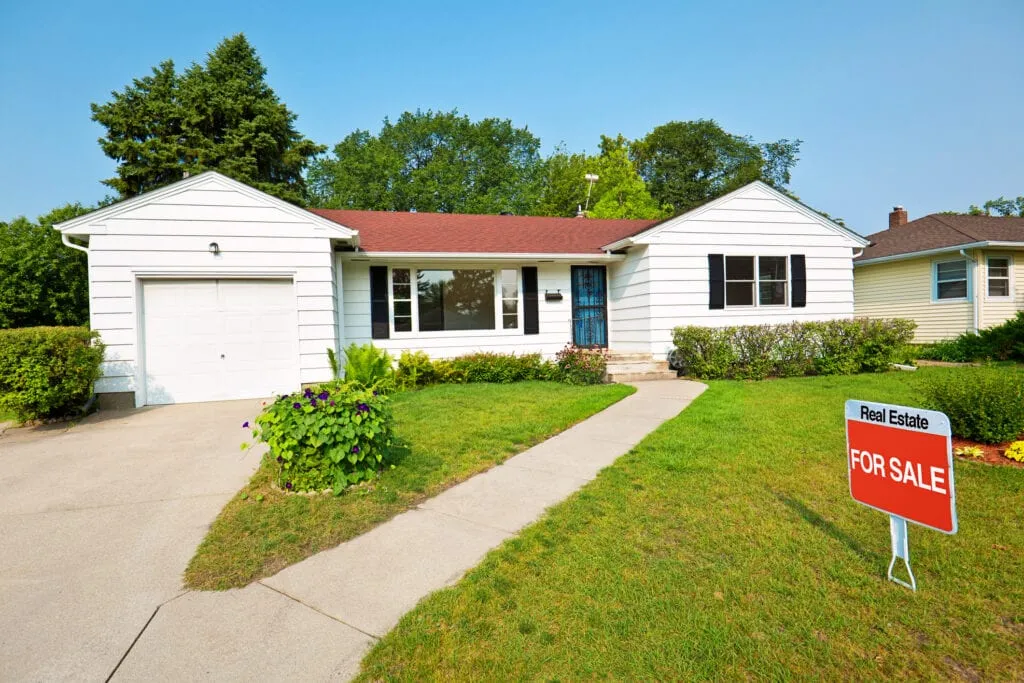
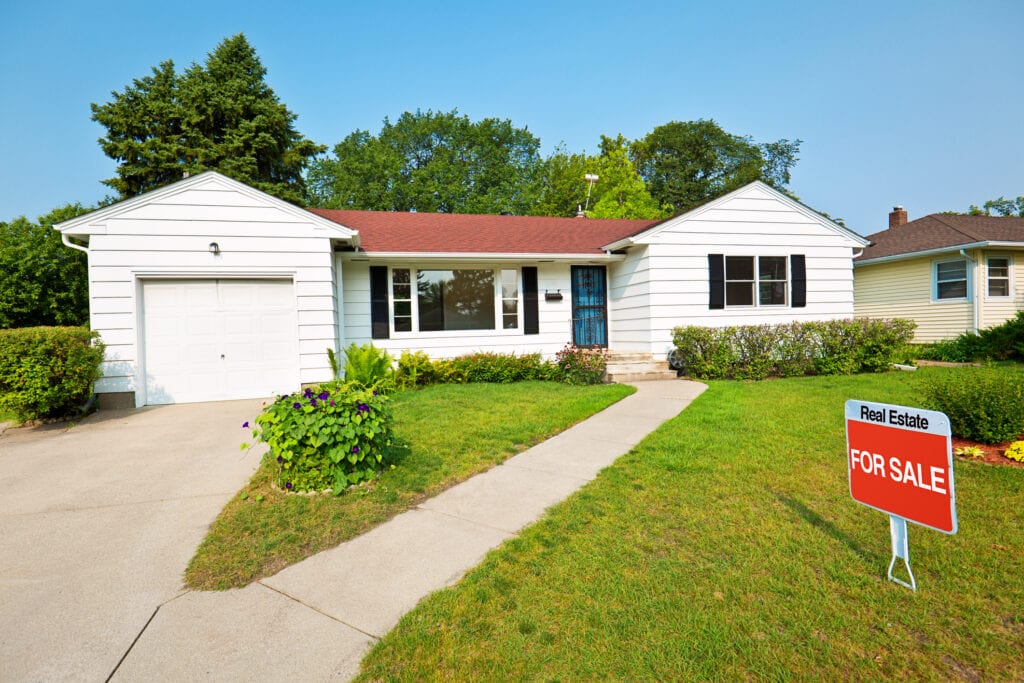
The growth in the number of adults 65 years and older will double over the next 25 years. This statistic creates a demographic that is unprecedented in America's history, as stated in The State of Aging and Health in America.What happens when 20% of the population is elderly? What are the consequences of this growing statistic?Of course, there are a lot of possible outcomes to an increased population of seniors---with health care costs topping this list. But what about housing those whose mobility may be challenged? What does the aging population require in terms of living arrangements and accommodations?Architects have a whole new role to fill when it comes to designing for this demographic. With a set of unique living standards and needs--- Architects have found themselves meeting new and exciting design challenges for seniors, and they are inventing fresh blueprints that are modern and ingenious.Here we will look at how architects are meeting this unprecedented demand in design for an aging population:
YinYang / Getty Images
The growth in the number of adults 65 years and older will double over the next 25 years. This statistic creates a demographic that is unprecedented in America's history, as stated in The State of Aging and Health in America.What happens when 20% of the population is elderly? What are the consequences of this growing statistic?Of course, there are a lot of possible outcomes to an increased population of seniors---with health care costs topping this list. But what about housing those whose mobility may be challenged? What does the aging population require in terms of living arrangements and accommodations?Architects have a whole new role to fill when it comes to designing for this demographic. With a set of unique living standards and needs--- Architects have found themselves meeting new and exciting design challenges for seniors, and they are inventing fresh blueprints that are modern and ingenious.Here we will look at how architects are meeting this unprecedented demand in design for an aging population:
 zhudifeng / Getty Images
Designs to Aid Mobility
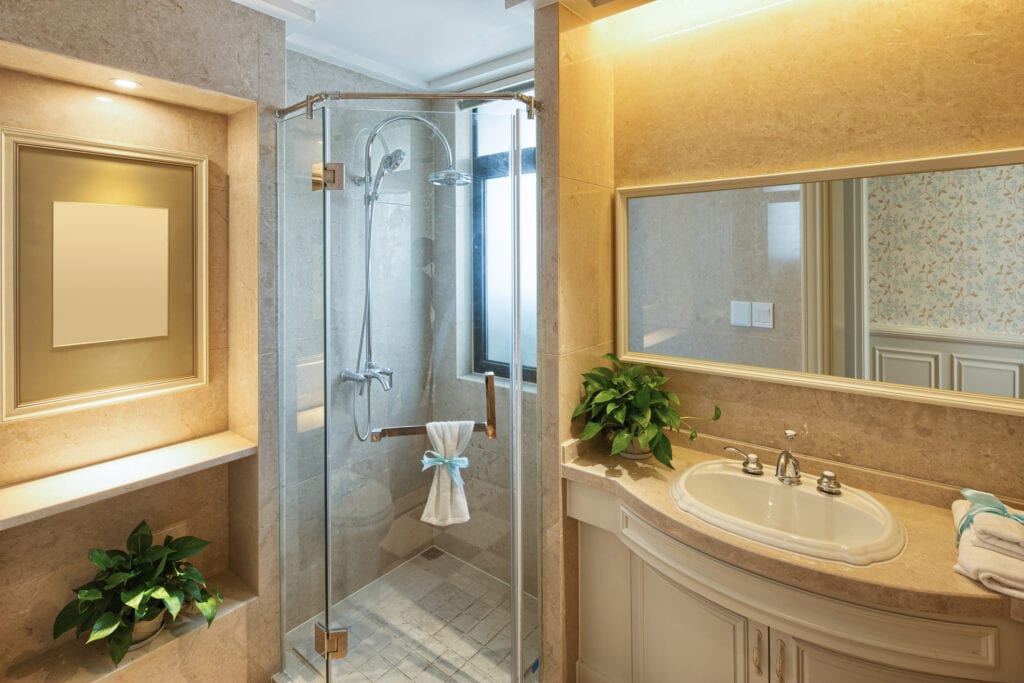
Architect, David Dillard, had the right idea when he asked some of his designers to move into a retirement home to get first-hand knowledge of the living struggles that the elderly encounter on a day-to-day basis. This is the kind of thoughtful innovation that architects will require in order to understand the needs of the aging population and how best to meet those needs.Mobility is one of the bigger challenges that designers face. In order to make a home more accessible, architects are creating designs that are stair-free; designs with larger hallways or more open floor plans; designs with wider doorways; designs with no-step entries; designs with lower sinks and safety showers & bathtubs, and even designs with wireless video monitoring so that relatives can catch falls or trouble.Ingenuity is a must! The architects that embrace new designs and ideas are the ones who will succeed in this increasing niche of home design.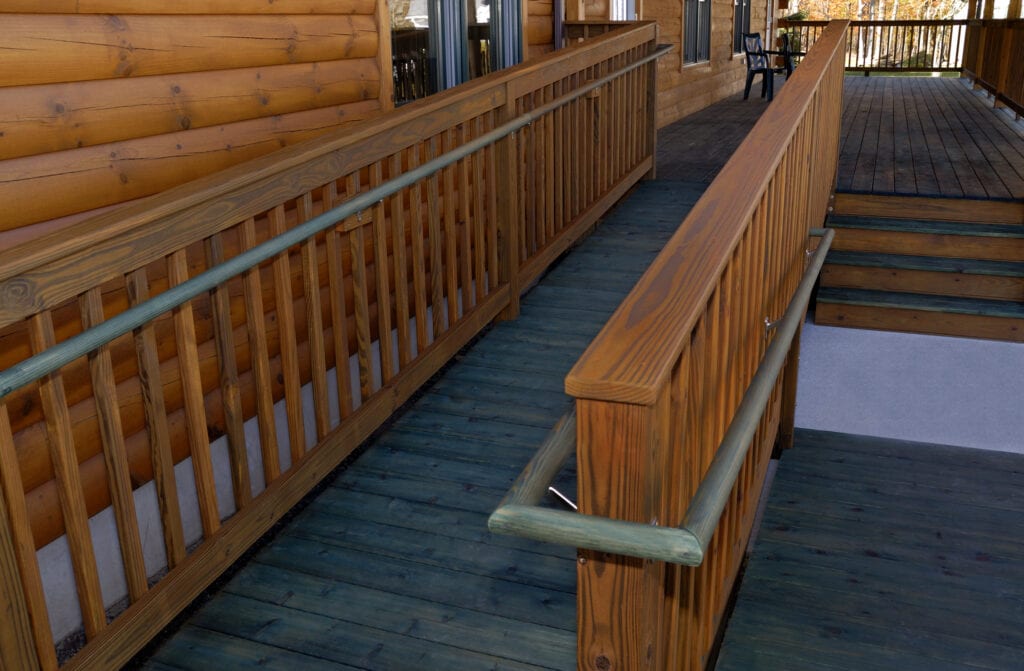 WilshireImages / Getty Images
Remodeling Homes For The Elderly
Just because one gets older doesn't imply a willingness to give up independence. More often than not, the aging population is choosing to age in place. This means that sometimes designers and architects need to work within the confines of current home plans--- devising ways to remodel the current home into a safer, more functional one for the elderly.Remodeling may require tear-down of walls in order to allow for a more open floor plan with fewer obstructions; it may also require new lighting systems and new, larger windows in order to optimize the homes lighting.Overall, aging in place requires thoughtful consideration into the changes your home requires in order to make it safe and enjoyable. This article on Aging in Place offers a lot of great ideas for home remodeling, allowing the elderly to enjoy many years to come in their current home.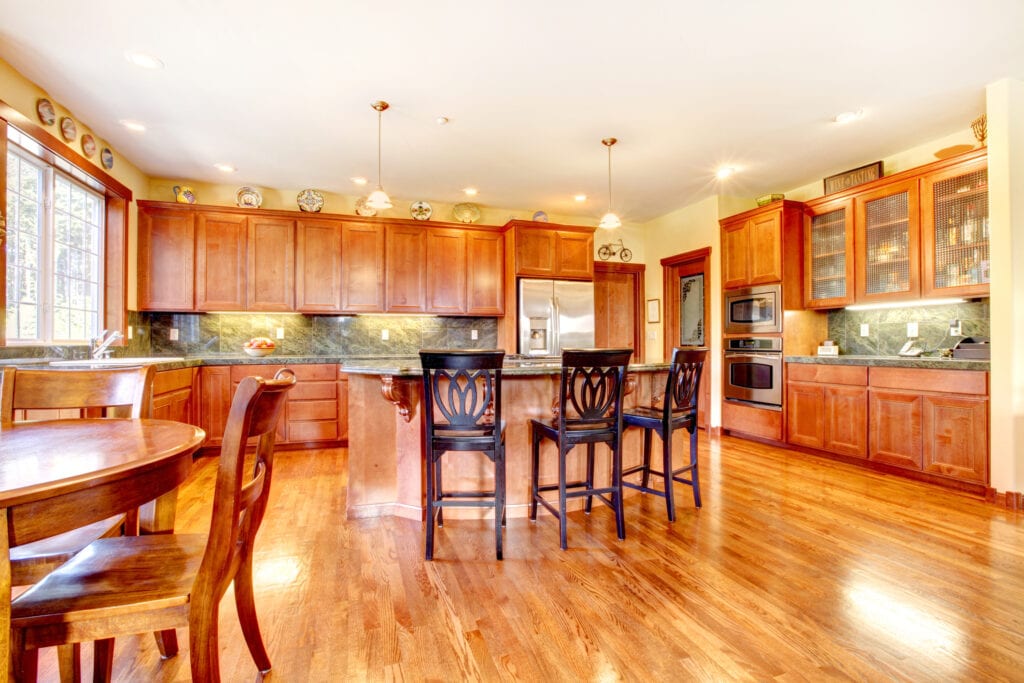 irina88w / Getty Images
Lighting A Home For Seniors
Lighting for the elderly is something new for architects and lighting designers to consider, especially since poor lighting can lead to accidents and falls. As people age they experience a plethora of vision problems from macular degeneration, neuro-degeneration and reduced retinal illuminance (essentially, smaller pupils and a thicker eye lens causes everything to appear less vivid and bright).Designer, Eunice Noelle-Waggoner, offers some great tips on lighting design for seniors. Waggoner points out that seniors have a whole other idea of what is attractive and functional when it comes to optimal lighting. Seniors prefer light sources that are shielded with a shade as it tones down on harsh glare, and they prefer overall ambient light versus dramatic high-contrast lighting. Most importantly, high-quality light is needed throughout the home---LED or fluorescent light bulbs are probably best, and large windows are a must.Overall, seniors need more light to make their homes functional. The home should be well-lit along the walls, ceilings, hallways and stairs--- ensuring unobstructed views and optimal safety.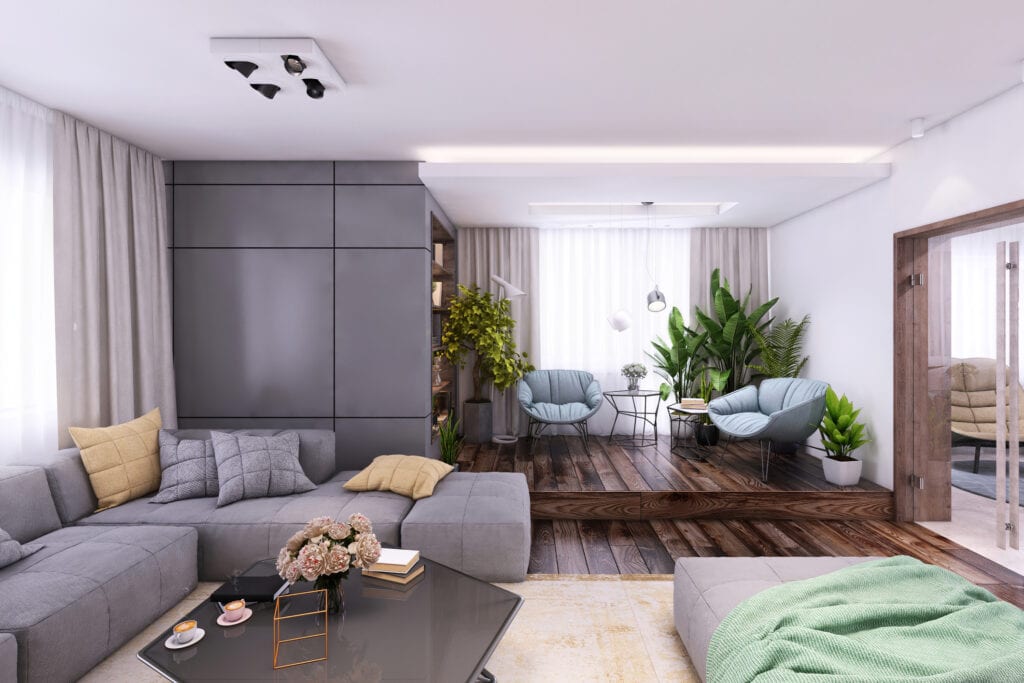 ExperienceInteriors / Getty Images