What is Home Appliance Insurance?
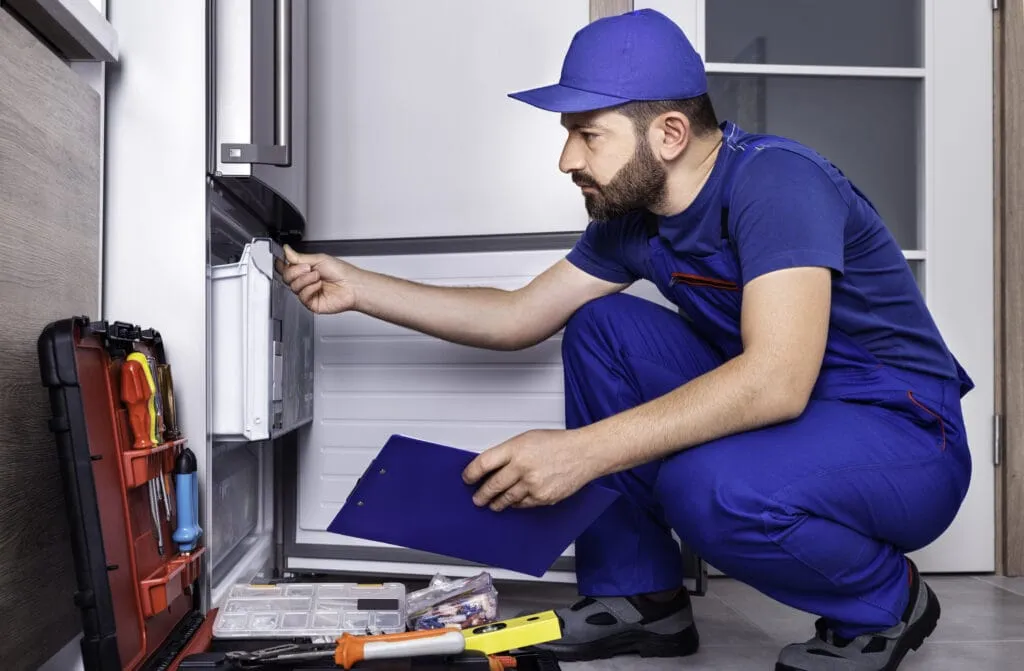
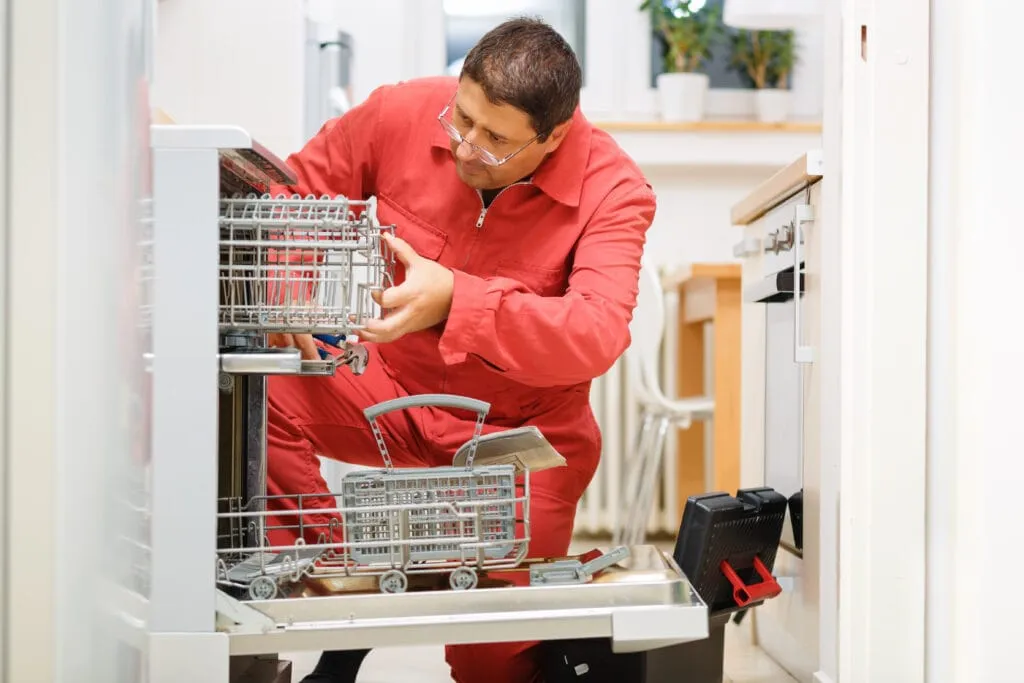
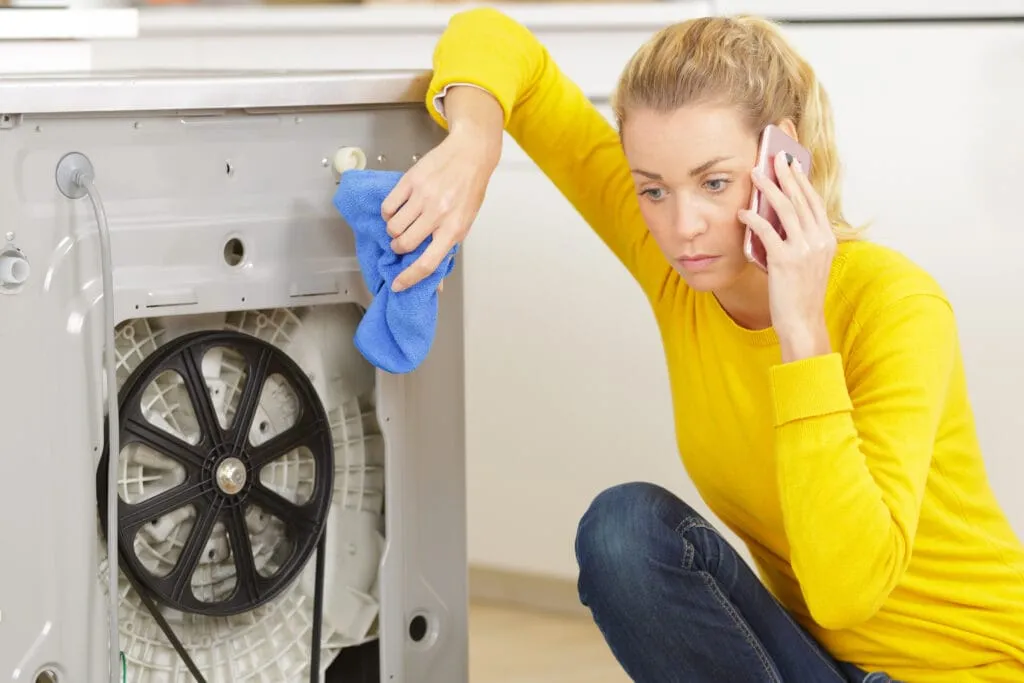
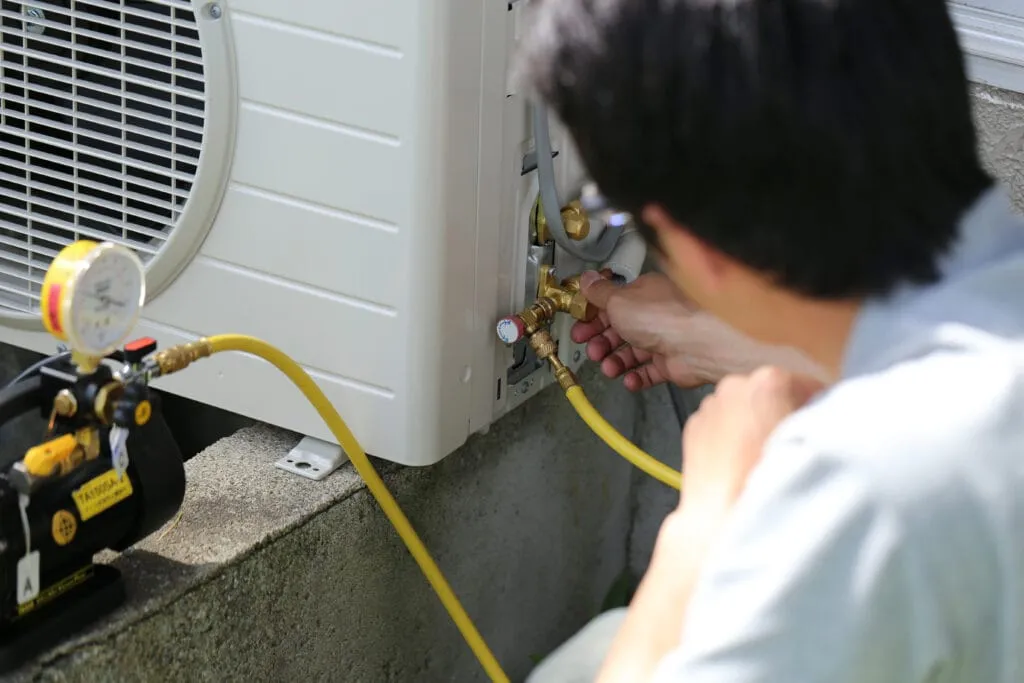
Home appliance insurance covers the cost of replacing or repairing systems or devices in your home. The policy is distinctly different from homeowners insurance as it doesn't insure your home against specific perils, but rather the gradual wear and tear of the appliances in your living space.
Is it different from a home warranty?
Home appliance insurance, home appliance protection, home warranty, and home warranty insurance have the same meaning. They all are plans that protect you if your home's appliances and systems break down. By covering what the standard homeowner's insurance does not cover, home appliance insurance helps to reduce the stress and expenses of home repairs. It also makes home maintenance simpler and offers overall convenience by ensuring that your home appliances and systems are in good working condition. With the wide range of home protection plans from which you can choose, it's important to understand the types of home appliance insurance that will work for you and your home.What does home appliance insurance typically cover?
Generally, some of the items that you can expect your home appliance insurance to cover include:- Refrigerator
- Oven
- Air conditioning, furnace, and HVAC systems
- Clothes washer and dryer
- Dishwasher
- Built-in microwave
- Water heater
- Garbage disposal
- Plumbing system
- Electrical system
- Septic system
- Lawn sprinkler
- Well pump
- Pool
- Doorbell
- Ceiling fan
- Garage door opener
- Ductwork
What doesn't it cover?
Like any other type of warranty, home appliance insurance plans have limitations. The warranties will not cover the following:- Pre-existing conditions that were revealed during the home inspection
- Improper installation and maintenance
- Items covered by home insurance
- Items covered under the manufacturer's warranty
- Code violations
- Unusual wear and tear of the appliances
- Commercial-grade appliances
- Modifications needed when replacement equipment is being installed. These include ductwork as well as electrical and structural modifications.
- Secondary damages when an appliance breaks. Secondary damages refer to issues like water damage from a clogged toilet or a broken dishwasher.
- Cosmetic defects like dents and scratches
- Damage from pests