Empty Nesters: A Guide to Help You Make the Best Moving Decisions

Sending your kids off to a new phase in their lives should make you feel incredibly proud. But oftentimes, there’s a difficult adjustment that comes with it.
Empty nesters are left with a house that’s bigger than they need, and may have to decide whether to move to a new area, downsize, or even upsize. In fact, nearly four in 10 baby boomers (37%) say they plan to move at some point in later life. 42% of those future movers will transition to a smaller home, while 32% say they’ll move into a bigger place.
Whether you’re downsizing, upsizing, or staying-the-same-sizing, here is our step-by-step guide for empty nesters who are thinking about making a move.
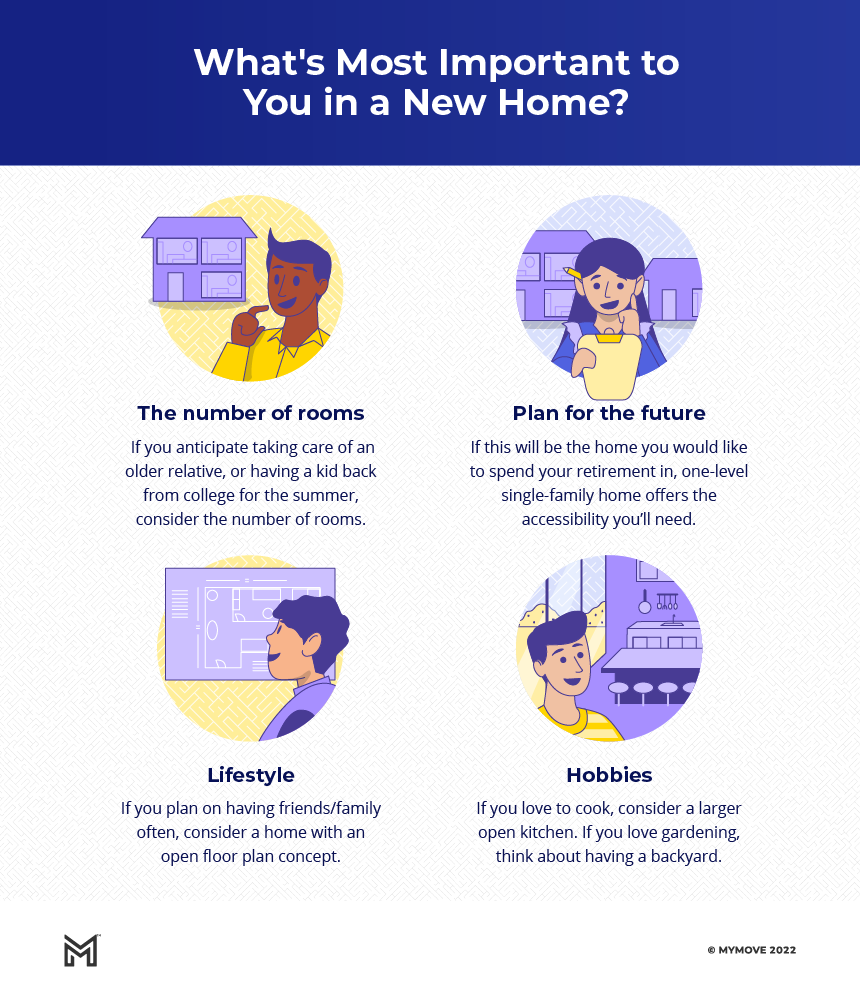 Now it’s time to decide what type of home would be best for your next stage. Take a moment to think about what's most important to you in a new home and go from there:
Step one: Are you ready to let go?
For many people, the most difficult part of changing houses after your kids move out is letting go of a home with so many treasured memories. In some cases, you might decide that you’ll be happiest right where you are. If you do choose to make a move and decide that downsizing is the way to go, shifting to a smaller home, condo, or townhome will require less maintenance and give you more time to do what you love. Home maintenance costs are a bigger factor than they’ve ever been. According to Thumbtack's Home Care Price Index, the average cost to take care of a single-family home rose 9.3 percent during 2021, largely due to labor and material shortages. The survey also found that 30% of homeowners planned to spend more than $10,000 on home projects in the next year. For those on a fixed income, staying in a larger home with a lot of extra room might not be financially viable. With a condo, you won’t have to worry about exterior maintenance like mowing the lawn, snow removal, or gutter cleaning, but you will pay a monthly homeowners’ association fee.Step two: Consider the lifestyle you want to have
To make the best choice for your next move, you’ll need to take some time to think about what you want to do with your free time and space. Here are some questions to consider:- Is the house the only thing you want to change?
- Do you like the area you live and want to stay close by?
- Are you ready for an entirely new city or climate?
- What things are most important to you in the next stage of your life?
Step three: Finding the right location
If you do decide to make a move, your next step will be to home in on a location. If you already know the general area you want to live in, a good way to narrow down your search is to check out Street Advisor. This free resource provides basic information on demographics, crime, and real estate, plus reviews of neighborhoods written by people who actually live there. Here are some factors to consider when moving to a new city:- Stay close to kids: Some kids need some extra time to settle into a new college life, so some empty-nesters like to be close to them for a while.
- Living close to grandkids.
- If it’s important to stay close to older relatives: You might need to take care or give support to an older family member.
- If you have friends or family in the same stage of life already living in a community they love.
- Climate: Is it important to be somewhere warm? Would you rather be by the mountains to hike and ski? Think about what kinds of areas will be able to support your lifestyle.
- Career: If you’ll need to find a job in your new location, use a job search site like Indeed, Monster, or ZipRecruiter to see what’s available.
- Compare moving quotes to see how much you should budget for moves to different areas.
- Check out a state-by-state guide to taxes on retirees.
Step four: Think about what’s important for you in a home
Now it’s time to decide what type of home would be best for your next stage. Take a moment to think about what's most important to you in a new home and go from there:
- If you like to entertain friends and family, consider a home with an open floor plan or a nice outdoor space.
- If they anticipate taking care of an older relative, or having a kid back from college for the summer, plan on having some extra rooms.
- If you plan on retiring in this home, a one-level single-family home offers the best accessibility.
- Accommodate your hobbies. If you love to cook, you might want a larger kitchen. If gardening is important to you, include a bigger backyard on your list of must-haves.