4 Ways to Ensure a Large Room Doesn't End up Feeling Too Stark
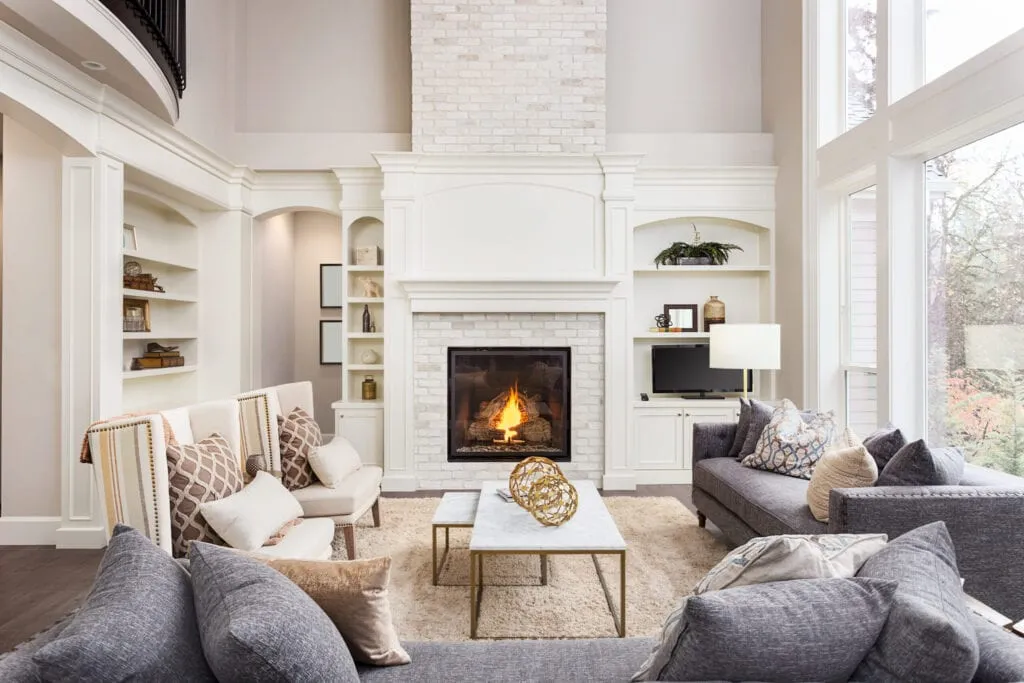
Normally at Freshome, we spend a lot of time talking about how to design around small spaces. However, the reality is that those with the opposite problem also deserve our time and attention. Today, we're revealing our best tricks for how to design a large room. Read on to learn how to put together an expansive space without it feeling too stark.
 pics721 / Shutterstock
 Javani LLC / Shutterstock
 statusdog / Shutterstock
pics721 / Shutterstock
Visually divide the space
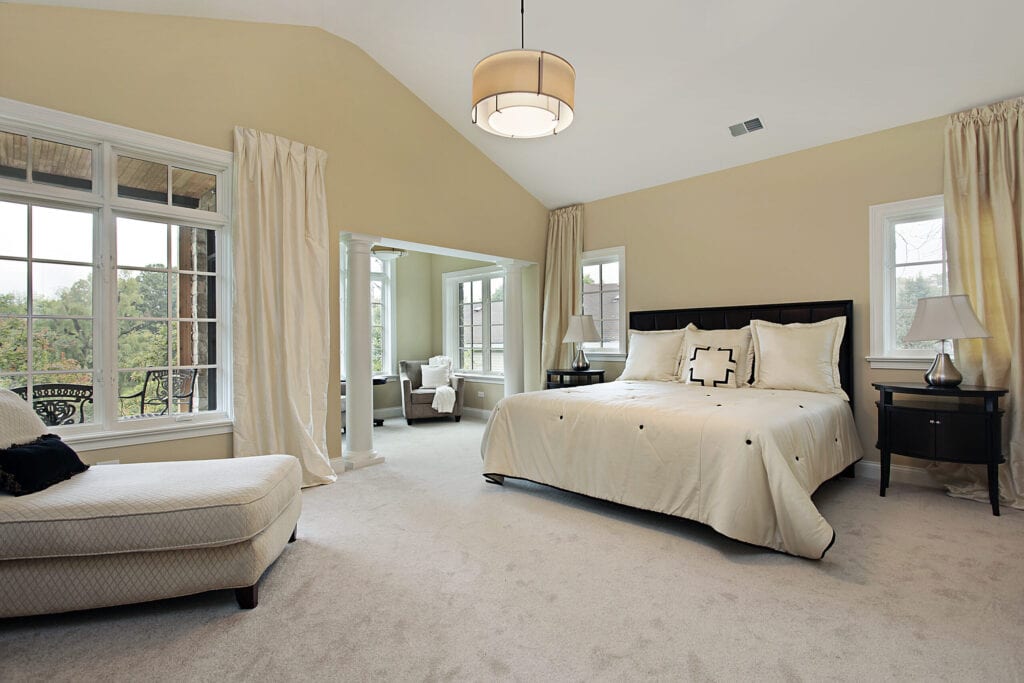
Here's one of the biggest secrets in dealing with expansive spaces: You can break the space up however you choose. In this case, each large room in your home doesn't have to have one, singular purpose. Instead, you can divide the space up into distinctly different areas in order to increase functionality while using up square footage at the same time. Take the photo above as an example. Yes, the main purpose of the room is to serve as a bedroom. However, if the room was just a bed and some dresser drawers, it would be swimming in empty space. That's why the owner included two additional seating areas. The room still offers plenty of room to sleep, yet you now also have a place to curl up with a good book or your morning coffee. If you decide to go this route, you'll design the room the same way that you would an open concept space. Go in with a plan of attack for what purpose you want each of the distinct areas to serve. Then, include visual clues like area rugs, lighting fixtures and designated pathways to help signify to the viewer that each section of the room has its own unique purpose. Javani LLC / Shutterstock
Anchor the room with a rug
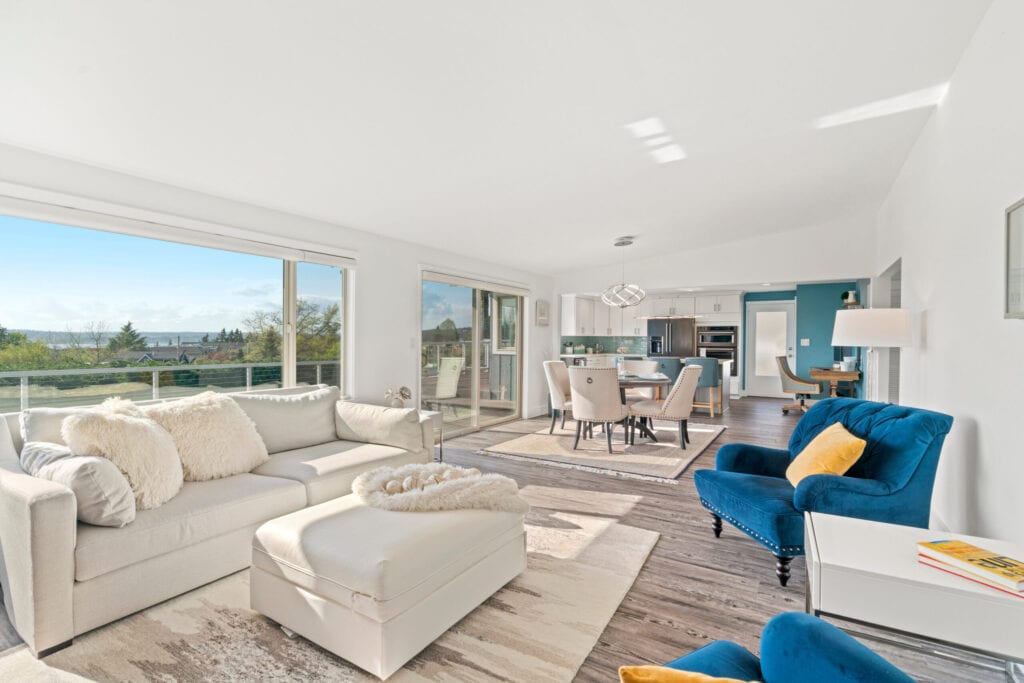
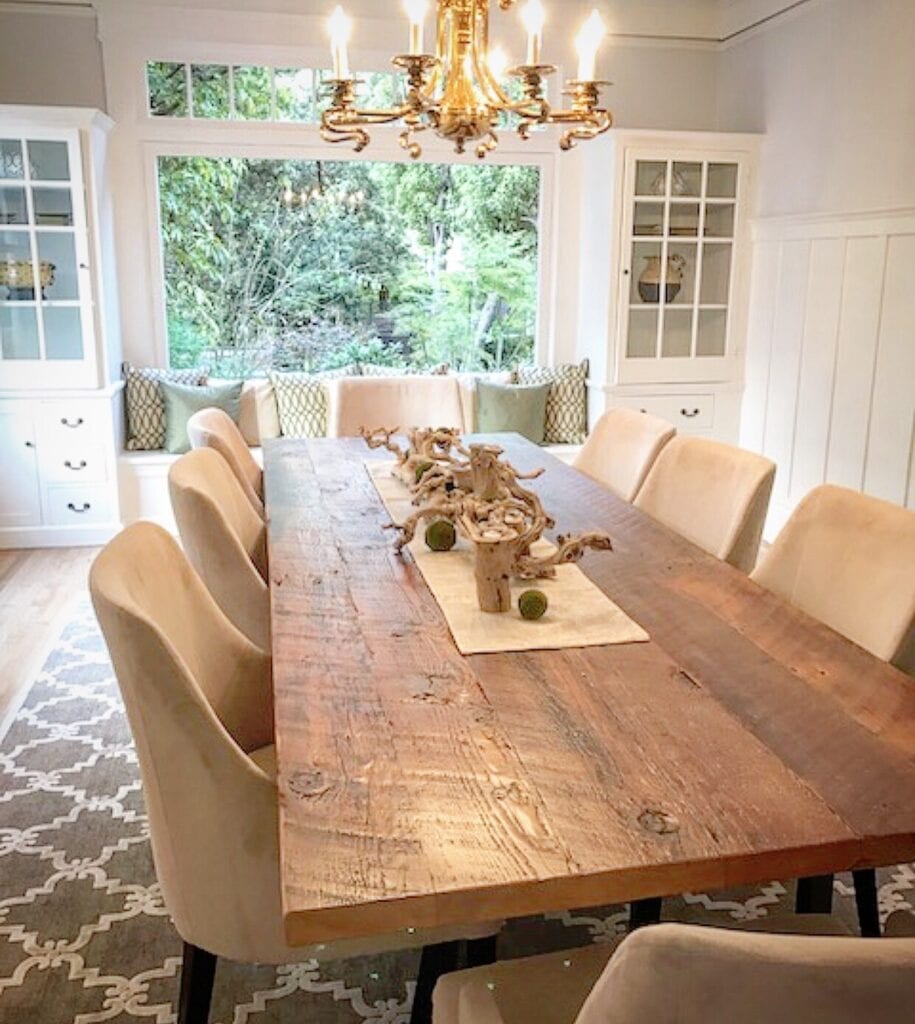
If you're looking to visually tie a large room together, there's no better way to do so than with a great area rug. An area rug will help ground a seating area, dining table or bedframe. It helps by making the placement of the furniture look purposeful rather than like all of your pieces are just floating out in space. When buying an area rug, the correct sizing is key. In general, you can follow these guidelines:- If you’re choosing a full room rug, remember to leave room for a border of flooring around all sides. 18 inches is considered the standard border measurement.
- If your rug will be grounding a seating area*,* measure the length and width of the seating area in its current layout and buy the next size up.
- If the rug is meant to highlight a piece of furniture like a dining table, make sure it’s big enough to extend beyond the piece with room on all sides. For a dining table, 24 inches is standard. However, it should be less if you’re working with a smaller piece like a coffee table.
statusdog / Shutterstock