Why Our Brains Love Colorful Interiors
 kundoy/ Getty Images
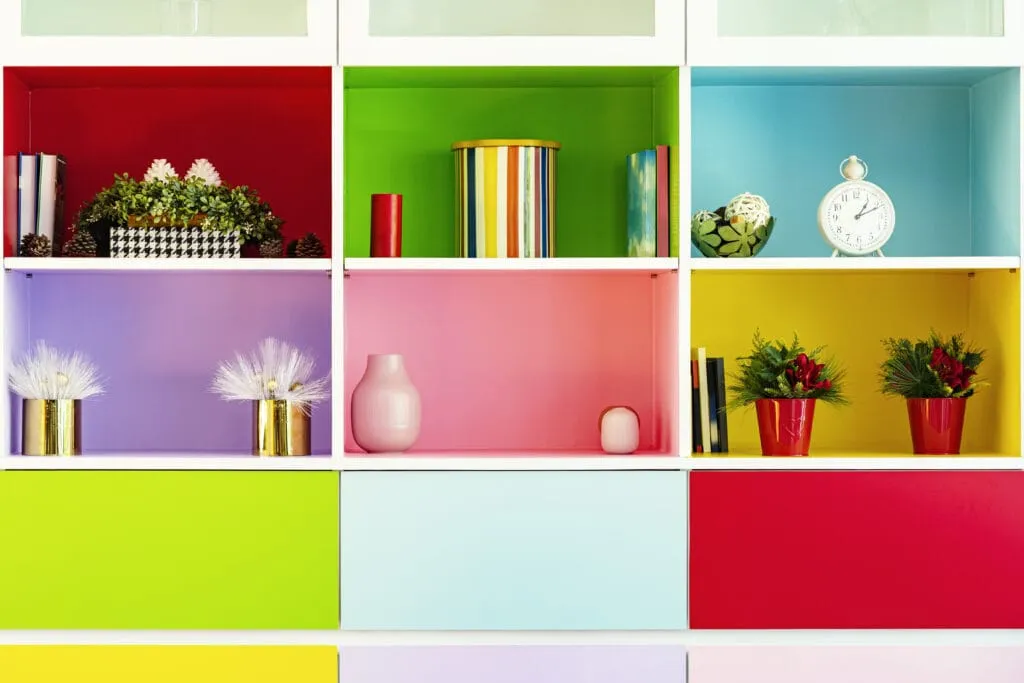
The colors we use in our designs have an effect on our perceptions. What’s the first thing you notice when you walk into a new room? The colors. Whether your reaction is positive enough to make you think, “I have to remember to ask her what palette she used” or negative enough to have you leave you saying, “I don’t know what he was thinking”, we’re bound to form an opinion.
It’s because our brains are truly amazing. They pick up on thousands of tiny details per second, most of which we aren’t even consciously aware. We then form perceptions based on these details and often act accordingly. Color gives our brain plenty of information to process.
Read on to find out all off the reasons our brains can’t get enough of colorful interiors. By the end, you’ll be giving your rooms an extra glance or two.
Though color and kid's rooms go hand-in-hand, don't stop there.
kundoy/ Getty Images
The colors we use in our designs have an effect on our perceptions. What’s the first thing you notice when you walk into a new room? The colors. Whether your reaction is positive enough to make you think, “I have to remember to ask her what palette she used” or negative enough to have you leave you saying, “I don’t know what he was thinking”, we’re bound to form an opinion.
It’s because our brains are truly amazing. They pick up on thousands of tiny details per second, most of which we aren’t even consciously aware. We then form perceptions based on these details and often act accordingly. Color gives our brain plenty of information to process.
Read on to find out all off the reasons our brains can’t get enough of colorful interiors. By the end, you’ll be giving your rooms an extra glance or two.
Though color and kid's rooms go hand-in-hand, don't stop there.
 Johner Images/ Getty Images
Colors Show Our Personalities
When you really think about, our interior design choices say a lot about who we are as people. Every home needs the same basic elements: floor coverings, furniture and lighting. That would be enough to survive, but we go the extra mile to find décor items that we like and are aesthetically pleasing to us. It’s not a stretch hear to he colors we choose say a lot our personality. Researchers at the University of Westminster have found a link between color preference and personality traits. They found that individuals who preferred the same colors tended to share some of the same characteristics:- Red: Goal-oriented, determined
- Orange: Energetic, happy
- Yellow: Outgoing but well-controlled, persuasive
- Green: Caring and helpful
- Blue: Analytical, cautious
- Purple: Comforting, values dignity
- White: Peaceful, often good at organization
- Black: Conservative, but also creative
- Brown: Practical, excels at accomplishing tasks
 Bulgac/ Getty images
Colors Affect Our Moods
As much as interior design is about how a room looks visually, it’s also about creating an overall tone for the space. The majority of us would prefer that our bedrooms have a calming feel to them so that we can get a good night’s rest. Conversely, our dining rooms and other spaces where we do most of our entertaining should feel lively. As far as the field of color psychology is concerned, color is the simplest way to get your desired mood across Keep these hints in mind as you decorate your interiors:- If you want the space to feel energetic: Warm colors are key – red, yellow, and orange.
- If you want the space to be calming: Opt for cool colors like blue, green, or a light purple
 Bulgac/ Getty Images
Colors Can Alter Our Perceptions
We’re willing to bet that at some point you’ve wished your house had a bit more useable space. It’s okay, so have we. Luckily, even when our budgets prevent us from moving into the luxurious interiors that we crave, the right colors can trick our eyes into believing that our rooms are quite spacious. When decorating a small space, paint the walls in a lighter color like a pastel. Stay with a light shade on the ceiling as well. For those looking for the most dramatic impact, consider painting your furniture a similar color to the walls. The similarity will cause the two elements to blend visually, which will create a more open look. Conversely, if you’re lucky enough to have plenty of room to roam, but are concerned that your space may come across as cold and standoffish, go bold with color. Bright colors draw the eye, so place them on opposite walls to help tie the room together visually. Use similar colors for the walls and furniture to make a small space appear larger. asbe/ Getty Images