What to Do If You Receive a Rent Increase Notice

Considering that the average rent increase in the U.S. has been around 3% year-over-year, a rent increase can have a huge impact on your budget and finances. Although there are laws in place to help protect tenants from drastic rent increases, landlords have a right to increase rent at will.
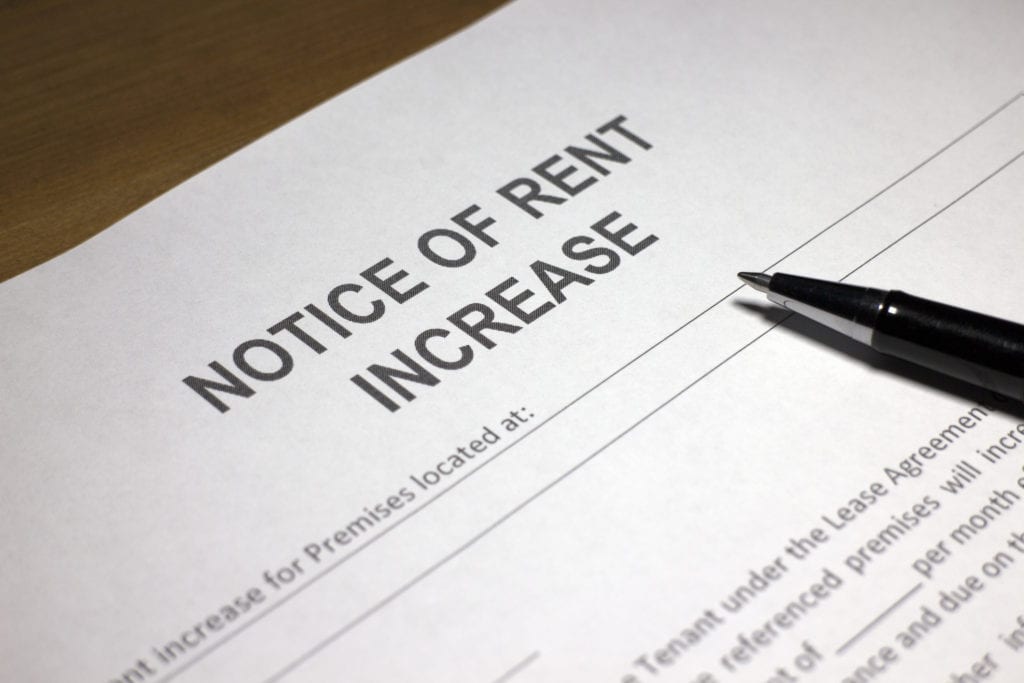 Hailshadow / Getty Images
Once you receive a notice of rent increase, you can choose to negotiate, accept, and pay, or refuse and move out. Understanding how best to handle the situation will help you make the right decision. Here are the steps to follow after you receive the notice.
Hailshadow / Getty Images
Once you receive a notice of rent increase, you can choose to negotiate, accept, and pay, or refuse and move out. Understanding how best to handle the situation will help you make the right decision. Here are the steps to follow after you receive the notice.
Rent increases: What's legal and what's not
There is a lot that every tenant needs to know about the apartment rent increase law. Knowledge of what the law says will help you understand your rights as well as what is legal. Below are a few things you should know about rent increases.When can my landlord raise my rent?
Unless rent control applies, your landlord has a legal right to increase rent. How this is done will depend on whether you have a lease or a month-to-month rental agreement. In case of a fixed-term lease, your landlord can only increase the rent when the lease is up for renewal. The landlord can offer you a new lease with different terms, one of which could be increased rent. Rent can only go up during the lease period if the original lease has a written provision for this option or if you agree. With a month-to-month rental agreement, your landlord can increase rent at any time as long as they provide you with a written rent increase notice. In most states in the U.S., the required amount of notice is 30 days.What if my city has rent control?
Rent control is a government regulation that limits a property owner's ability to set and increase the rent at will on residential properties. Mostly, rent controls will coincide with the other regulations that spell out landlords' responsibilities and tenants' rights. While the rent ceiling stipulates the maximum amount that a landlord can charge for a rental property, a tenancy rent control places limits on what a landlord can do during the tenure of a tenant occupying the premises. This includes limits on the ability of the landlord to raise rents. Landlords are required to provide basic services, are accountable for renewing leases, and can be restricted from terminating month-to-month rental agreements. With rent control, landlords have to increase rent in line with the applicable laws and regulations. In essence, if you live in a city with rent control, you will enjoy the protection of the set of laws designed to keep living costs affordable. The only cities in the United States that regulate rent prices are New York, Maryland, New Jersey, Oregon, California, and Washington, D.C.How much can my landlord raise my rent?
Rent increases are a part of life, but not knowing when and by how much your rent will go up is one of the most frustrating aspects of being a tenant. How much your landlord increases your rent will depend on several factors, including whether you have a fixed-term lease and if you live in a rent-controlled rental unit. However, there is no limit on the amount that a landlord can increase rent by in areas without rent control. When your landlord increases rent, the amount by which that rent goes up will be outlined in the terms of the new lease agreement. As a tenant, you can sign the new lease or choose to move out. The timing of the rent increase and the way it is communicated is governed by state laws. While the typical notice period is at least 30 days, state laws may require the period to be longer if the rent is to increase by more than 10 percent or if the current tenant is a senior citizen. For cities with rent control, the rent increase will be within limits set by rent control laws.When is my landlord not allowed to raise my rent?
Here are some instances when you will need to protect your own tenant rights.- Month-to-month without 30-day notice: Regardless of whether you have a lease or not, a landlord who increases your rent without giving you a 30-day notice to find a new place if you are not willing or able to pay the increase will have broken the law.
- Mid-lease without lease agreement: If your landlord increased rent before the end of your lease and the lease does not provide for this, the increase will be illegal.
- Verbal-only rent increase notice: Landlords are not allowed to provide information relating to rent increase without written notice. If your landlord does this verbally, the rent increase will not qualify as legal.
- Exceeding rent control limitations: If you live in a rent-controlled home, your landlord is not allowed to increase rent if the increase exceeds the rent control provisions laid out by the state.
- Rent increases as retaliation or discrimination: Your landlord cannot increase your rent in a discriminatory way. They are also not allowed to raise the rent as a means of retaliation for exercising any of your legal rights.
Is my landlord required to give a rent increase notice?
A rent increase notice gives tenants time to decide whether they can and will pay the increase. In case a tenant is unwilling or unable to pay the higher amount, the notice gives them time to look for and move into a new place. Generally, landlords must give a valid notice of rent increase before raising the rent. How and at what time the landlord will send the notice will depend on the type of tenancy you have. If you have a lease, the rent increase should be in line with the terms on the lease. If there is a requirement in your lease that the landlord gives you notice, they will need to send the notice before increasing rent. When your lease states what the new rent will be, if you renew, there may be no need for the landlord to give you a separate notice. If you are a tenant and do not have a lease, your landlord has the right to increase rent at any time. However, they will have to give a 30-day rent increase notice, or give notice in the time specified by the law.Am I allowed to negotiate with my landlord about a rent increase?
If your landlord is raising the rent on your current apartment or house, negotiating is an option. While this can be intimidating, you could actually get some relief if you talk to your landlord. Here are a few rent increase notice negotiation tips. The first step is to politely ask your landlord whether the rent prices are open to discussion. Highlight your strengths as a tenant by reminding the landlord that you have been paying your rent on time and have kept the property in good condition. You can also demonstrate your interest in occupying the property for a considerable period of time. As you do this, you should be open to compromise, follow up the discussion with a brief email, and have a backup plan in case things do not work out as you hope.How to handle a rent increase notice in 5 steps
Hailshadow / Getty Images
Once you receive a notice of rent increase, you can choose to negotiate, accept, and pay, or refuse and move out. Understanding how best to handle the situation will help you make the right decision. Here are the steps to follow after you receive the notice.