Comps 101: How Comparables Can Help You Sell Your Home
So you want to sell your house. You know there are some key things you need to do like stage the interior and work on your curb appeal. You might think, especially if you're hiring a real estate agent, that everything else is handled. But that leaves out one of the trickiest parts of home selling: pricing your property. How do you do it? Sure, your agent will help, but you want to know you're not leaving money on the table. You also don't want to price your home too high and leave it languishing on the market for months. So what do you do? Look at comps.
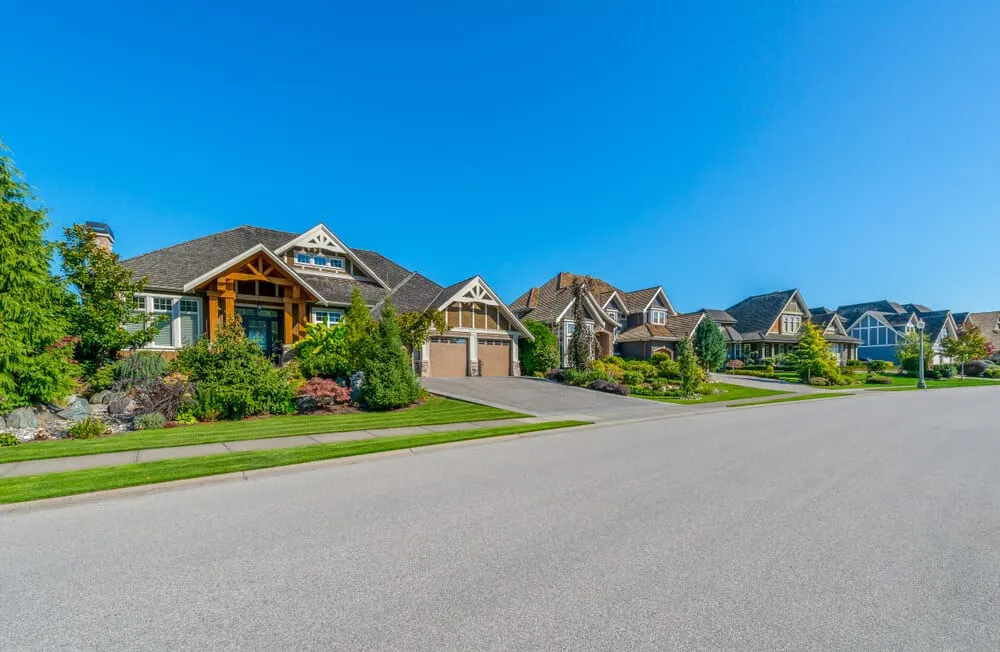
 If you want to list your home to sell, use comps. Image: romakoma/Shutterstock
 If you've got a view of the park, make sure you factor it in. Image: Johner Images/Getty Images
 The best comps are recently sold, similar homes nearby. Image: RikoBest/Shutterstock
If you want to list your home to sell, use comps. Image: romakoma/Shutterstock
What are comps?
Comps — or comparables — are the single most effective way to ensure you're pricing your home to sell while also maximizing your revenue from the sale. Basically, they compare other recently sold or pending homes in your area that are a lot like yours. Knowing what buyers are willing to pay for similar homes clues you in to what you can realistically get for yours. The key is here is finding comps that are as accurate as possible for your home. The most effective comps score in three key areas:Location, location, location
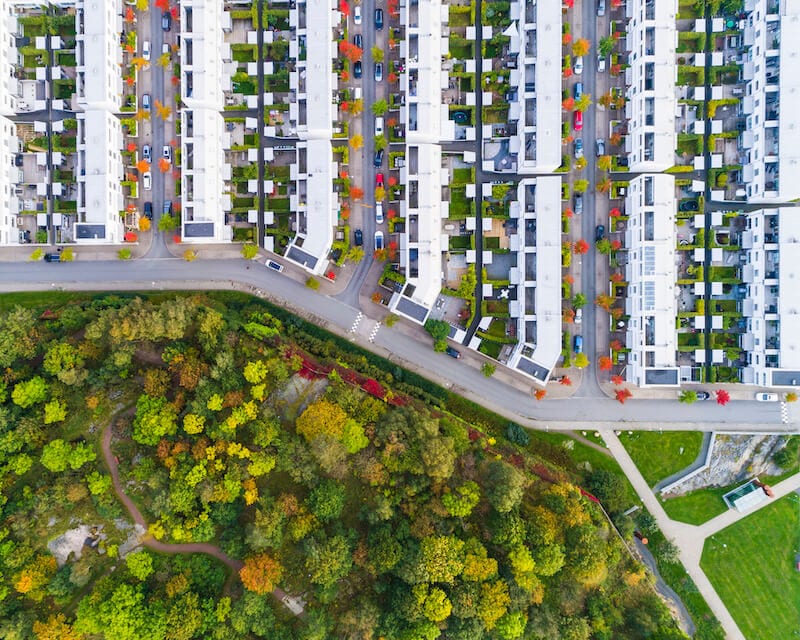
The old real estate adage strikes again. You can often get a four-bedroom house in a rural area for the price of a tiny oceanfront condo. Why? Location matters. And that's especially true for comparables. So if you want to make sure you're listing your home at the right price, it's important to price it based on local market activity. And you want to be as location-specific as possible. Existing boundaries — like school districts and neighborhood lines — are helpful here. The closer your comps are in location to your house, the more accurate they'll be. If you've got a view of the park, make sure you factor it in. Image: Johner Images/Getty Images
Don't forget features
Easy, right? Your next door neighbor's house just sold, so you can use that as a comp, right? Wrong, unless that house also meets a few additional conditions. A good comparable is going to be as similar to your house as possible. Of course, that means the basics like the same number of bedrooms and bathrooms and similar square footage. But don't forget about other features, either. Maybe your neighbor has an electrical tower behind their house, while your backyard has panoramic views. They're definitely not a good comp for you. You'd be better served by looking at the house up the street that has a slightly smaller square footage but a similar view. Other features like upgrades (e.g., granite countertops, walk-in closets), the overall condition of your house, whether you have a pool and how much parking you have are all considerations. At the end of the day, when you're hunting for comps, it's better to look for houses that are as much like yours as possible. If that means you have to extend the boundaries of your search, so be it.Current listing status matters
Okay, so all you have to do is pop on Zillow, Redfin or Trulia and find some for-sale homes that look like yours and are relatively close by, right? Actually, no. Homes currently for sale aren't a good place to go for comps because they still haven't sold yet. If you base your comps on the batch of neighbors who think they're going to be millionaires from selling their two-bedrooms, you'll be way off. Instead, look at homes that have closed in the last six months or less. The closer you can get to the present, the better. In fact, if you can find homes with sales pending, that's ideal. The best comps are recently sold, similar homes nearby. Image: RikoBest/Shutterstock