How to Buy a Historic Home
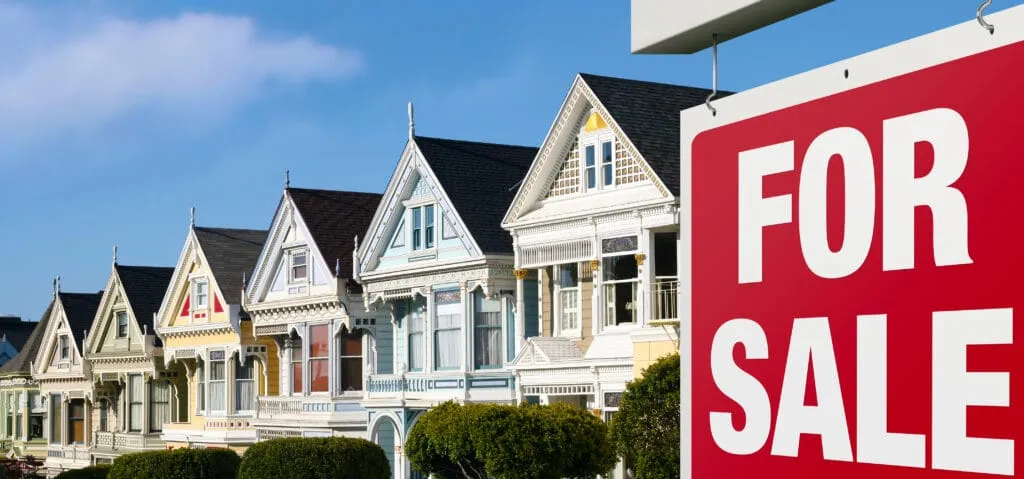
Historic homes are an amazing glimpse into our country’s past. They are unique, structurally stunning, and foster a sense of pride in saving a piece of yesteryear. A historic home is undeniably an investment. Our one-stop guide for everything you need to know about buying a historic home will help ease this life-changing decision.
For starters, what is considered a “historic home?”
A historic home is at least 50 years old with significance in our nation’s history or the specific state or community where the historic home is located.Who decides if a home is historic?
Historic homes are designated at the federal level through the National Register of Historic Places by the U.S. National Parks Service. To confirm you are indeed buying a historic home, contact the State Historic Preservation Offices (SHPO) The National Trust for Historic Preservation is another organization to “Save the past. Enrich the future.”Is a historic home right for you?
You should buy a historic home if…- You have plenty of time to dedicate to the renovation and aren’t afraid of some sweat equity. Historic homes are not a “quick and easy” update. Some take years to restore to their former glory.
- You have the finances to cover any unexpected costs. Building codes certainly differed back in 1910 versus 2020. Uncovering asbestos within your walls or lead paint can rack up your repair costs.
- You can find a quality contractor experienced in historic restoration.
- You want to make major changes that alter the historical accuracy. Your local historical society may veto things like changing your new home’s exterior paint from period-specific gray to a bright yellow.
- You need a “move-in ready” home. Historic homes can take years to complete with many unexpected financial pitfalls along the way.
- Your finances are limited. If you determine you can afford a set mortgage payment each month and only have a little leftover for home repairs, a historic home may not be in your best interest.
- You want modern-day home options such as open-floor layouts, a gourmet kitchen, and spacious bedrooms. Historic homes tend to have smaller kitchens and bedrooms with partitioned spaces.