Can Climate Change Kill the Internet?
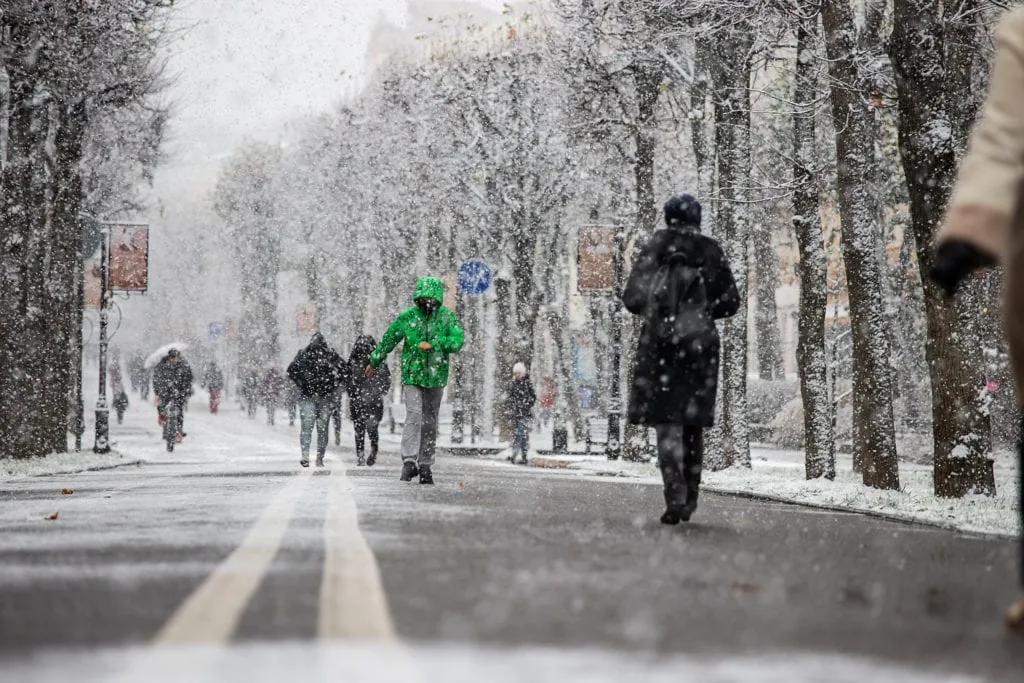
We live in a connected world. At any point in time, each of us likely has access to multiple screens — and that means multiple connections to the internet. In an instant, however, Mother Nature could disrupt those connections.
The recent California wildfires, for example, wiped out all utility infrastructure, including electrical and internet, in parts of the state. In 2018, Hurricane Michael caused similar outages on the Florida Panhandle, and Hurricane Maria caused the world's second-largest blackout in Puerto Rico. And in countless parts of the U.S., every time tornadoes, high winds, heavy snowfall, ice storms, and even dust storms occur, the utility infrastructure that modern life depends on has the potential of being taken down — not just for hours, but for days and weeks at a time.
In fact, researchers mapped out the existing internet infrastructure in the U.S. and anticipate the rising sea levels from global warming to become a significant threat, eventually impacting internet connectivity across the entire U.S.
Since we see the internet as a personal lifeline, it's essential to understand the outage threats near you. This way, you can make sure you're using the best (and most reliable) internet service provider in your area and can be prepared if you lose connection during or after a severe weather event.
How to know what types of weather events can impact your area
One of the hallmarks of emergency preparedness is to be aware of the type of disasters you should anticipate when it comes to protecting your home, your family, and your business. First, determine what types of extreme weather are most common in your area:- Flooding
- Earthquakes
- Wildfires
- Hurricanes
- Severe storms (lightning, tornadoes, snow, ice, dust)
- Extreme temperatures (cold and hot)
How is telecommunications/internet impacted by weather events?
When damage to the power and telecommunications infrastructure affects a small area and is not devastating, services usually return quickly. But if you have small children, are a caregiver for the elderly, or if you have a medical condition that necessitates continuous power and/or internet connectivity, even minor outages are significant. As you plan your personal emergency response, try to find a shelter with power, water, and internet resources that you could use to wait out the storm. Once the weather event has passed, service restoration can begin. In the meantime, if you do venture out of your home, be on the lookout for downed lines. In areas with above-ground electrical and internet lines, be aware that electrical and cable/phone/internet lines can be indistinguishable to the untrained eye. Contact the electric company immediately if you spot downed lines anywhere, and stay away.What to do if internet stops working during a storm
Electric and internet operate on different lines, so it's important to note that utilities may not be able to restore the two services at the same time after a weather event. If you have power, but your internet is still not working, use the following checklist to attempt to restore connectivity:- Power up your connected devices to see if they automatically reconnect to the internet.
- If no internet connectivity is found, reset your router and modem.
- If you're still experiencing connectivity issues with your wireless devices, move closer to the router.
- Test a few websites (particularly ones you do not regularly visit, so they are not in your device’s cache) to see if they load. You can also test your connectivity speed.
- If you're still having trouble connecting, contact your internet provider for assistance. In some cases, they might be able to resolve your issue over the phone. If it's a harder-to-solve problem, a technician may need to visit the property to restore services manually.
Prepare your family for when weather events interfere with telecommunications
It's important to create an emergency communication plan for your family in case phones and internet go down during a storm. Make sure everyone in your family is on the same page when it comes to what your emergency plan is and how to execute it:- Determine an agreed-upon physical meeting spot, both in your immediate area and further away.
- Establish emergency contacts outside of the immediate area.
- Store at least one emergency contact under the name “In Case of Emergency” on all mobile phones and devices.
- Create a group list on all mobile phones and devices of the people you would need to communicate with if an emergency or disaster occurred (like doctors, employers, caregivers, neighbors, utility providers, etc.).
- Compile a list of all possible contact information for each emergency contact, including phone numbers, emails, and social media handles.
- Ensure all family members have physical copies of all contact information, as well as any necessary maps (which may prove indispensable if GPS data is unavailable)
Types of internet and their resilience to weather events
There are four main types of internet available for your home and/or business today. These are:- Fiber-optic
- Cable
- DSL
- Satellite