These Are The 4 Foolproof Signs You're Ready To Stop Renting And Become A Homeowner
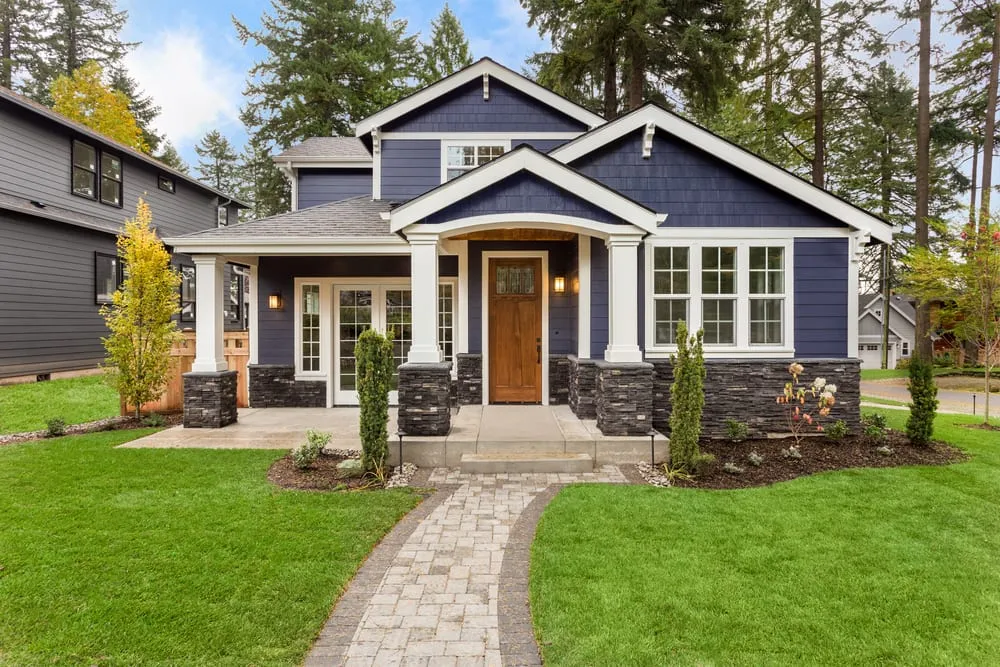
At some point in our lives, most of us will stop renting and become a homeowner. The question is, how does one know when it's a good time to take that leap? If you've been thinking about taking the plunge and buying a home recently, you've come to the right place. We've laid out four signs that you're ready to stop renting and own a home. Read them over to help determine if now is the time for you.

You've been at your job for a while
One of the keys to being able to buy a home is having steady employment. Essentially, since mortgage companies are giving you such a large loan, they use your employment history as an indicator that you'll likely continue having the funds to pay them back. Traditionally, they look to see that you have at least two years at the same company before granting approval. If you're a freelancer or otherwise self-employed, don't worry. There are ways to prove that you have a steady paycheck beyond showing a couple of years of W-2s. In your case, showing steady employment will be all about your tax returns. You want to have at least two years of high-net tax returns in place to prove that you have a steady source of income.
You've got a handle on your debt
Notice we didn't say that you have to be debt-free. These days, between student loans, car payments and medical debt, most loan companies know that it is unrealistic to expect borrowers to be totally debt-free. Instead, they simply look to make sure you aren't carrying too much debt relative to what you make. They want to know you'll be able to afford to take on an additional mortgage payment. They do this using something called a debt-to-income ratio. Your debt-to-income ratio looks at how much of your monthly income goes toward paying off debts. Ideally, in order to buy a home, your ratio should be less than or equal to 36 percent. To find your current ratio, simply add together your current monthly income. Then, divide that by the sum total of your recurring monthly debts, except rent. If your debt-to-income ratio is too high to be approved at the moment, you have two options. You can either find ways to generate more income or to pay down your debts. If you're serious about buying in the near future, you may want to talk to a local lender about which specific moves will have the biggest impact on your finances.
Your budget allows for some savings
In addition to a steady paycheck and manageable debt, the next piece that you need to have in place before you can stop renting and buy a home is some sort of savings. It shouldn't come as a surprise that buying a home does come with some sizable upfront costs. While the days of having to put 20 percent down are, thankfully, a thing of the past, you do have to have a fair amount of cash-in-hand. The first – and biggest – expense that you need to worry about is your down payment. These days, you can get a conventional loan for as little as 5 percent down, while loans backed by the Federal Housing Administration (FHA) typically only require 3.5 percent. Remember, the amount you have to pay will depend on the sale price of the house you buy, so be sure to factor your savings into your house-hunting budget. In addition to the down payment, there are also closing costs to consider. Closing costs account for any fees necessary to facilitate the transaction. They usually amount to an additional 1-2 percent of the sale price and are split between the buyer and the seller at closing.