Your Guide to Energy-Efficient Home Heating Systems
We hope you like the products we recommend. Just so you are aware, Freshome may collect a share of sales from the links or submissions on this page.
Heating the home in winter is one of the biggest household expenses. According to the EPA, 42% of the energy we use at home is for heating. While energy costs have risen, the improved energy efficiency of today’s heating systems offset those energy prices.
There are plenty of energy-efficient home heating systems available for every budget to help you stay warm this winter, and save you money in the process. Here’s your guide to the latest energy-efficient home heating systems.
 wuttichaijangrab / Getty Images
 tulcarion / Getty Images
 acilo / Getty Images
Let’s talk efficiency strategy first
The most important component of an energy-efficient home heating system isn’t the system itself, but how well your home uses the system’s output. Sealing leaks in the doors, windows, walls, and floors should be your first priority. Insulation, caulk, and weatherstripping may be necessary around windows, doors or other drafty spots. These small steps are worth the investment — they’ll save you money in the long run in lower utility bills. Some cities will send out a free home energy auditor who can help you find potential drafts and air leaks which may cause your system to work harder to keep your home warm. Energy.gov has a helpful video explaining how to do your own home energy audit.How to choose the most energy-efficient home heating system
Think about the following six questions before you decide on the best and most efficient heating system for your home.What’s the climate like?
A colder climate might require a larger, highly efficient system that can heat your home appropriately while minimizing heating costs over the long winter. A portable heater or smaller zoned system may be better in temperate climates where heating is only needed on colder days.How much of your home or apartment do you actually need to heat?
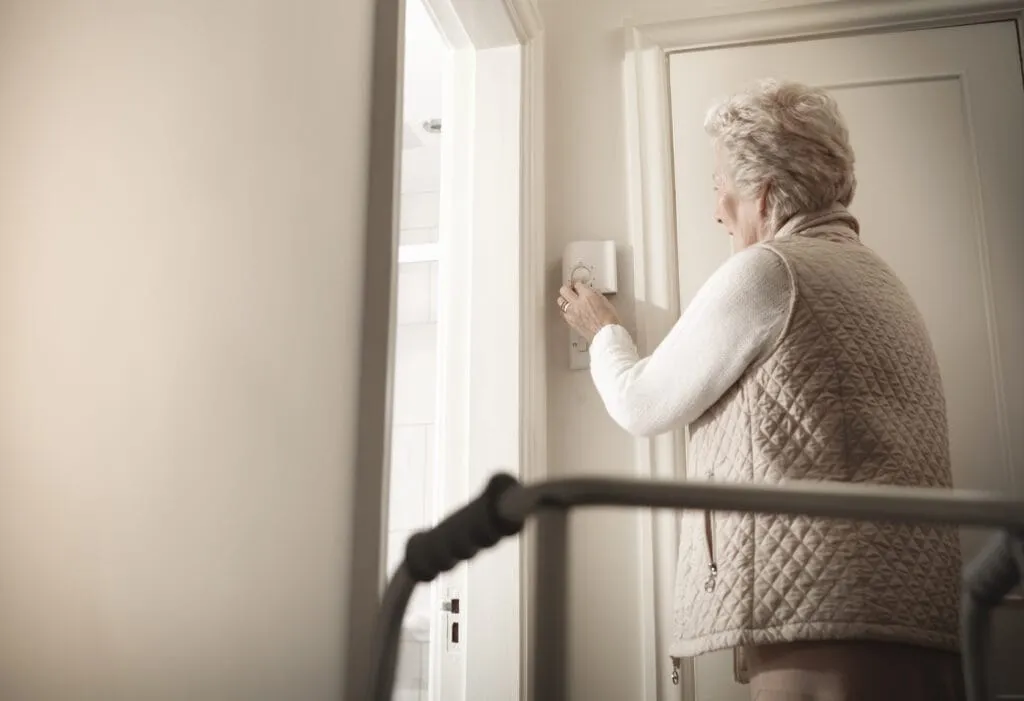
Do you want to pay to heat an entire home or just a couple of select rooms? Choose a system with vents that can be closed or adjusted so you can choose to heat rooms you use most. A thermostat is also essential to efficiency to keep the system running only when it needs to.What type of installation will the most energy-efficient home heating systems need?
The two main heating systems are forced-air or radiant. While radiant systems are often more efficient, they can be hard to install in an existing home.How much space do you have available for your heating system?
A large furnace may not be practical if you have a small home or apartment. Outdoor units like heat pumps may not be possible without a yard or outdoor area for the unit.What fuel is available and how much will it cost to heat your home?
Common fuel options include natural gas, heating oil, electricity, or propane, all of which can vary widely in price. Consider the lifetime cost of running an electric heating system versus one powered by a petroleum-based fuel.Can I afford a renewable energy heating system?
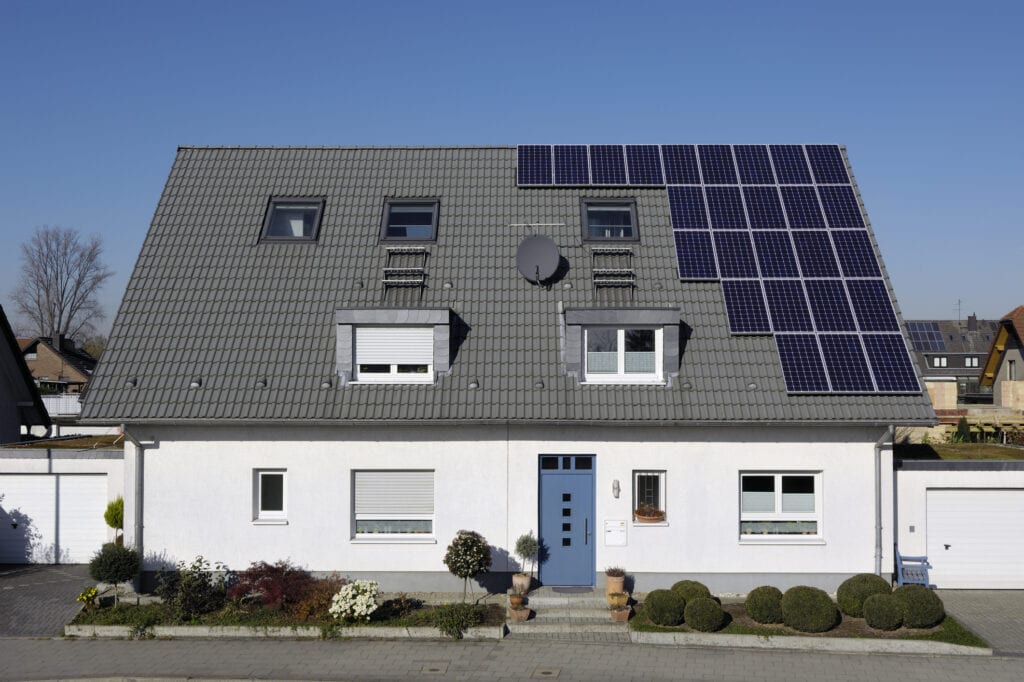
A solar or geothermal unit may have a big initial price tag, but there are plenty of rebates and incentives to consider. The lower monthly costs and the increase in your home’s value may also make the initial investment worth it. Many renewable energy companies can help you decide if the system and the payback period is right for your situation. wuttichaijangrab / Getty Images
The latest and most energy-efficient heating systems
We’ve broken down the latest available energy-efficient heating systems by type. Now that you have an idea of what type of heating system is best for your home, let’s explore the options.Energy-efficient furnaces and boilers
The latest boilers, gas furnaces and oil furnaces are ultra-efficient and green. They’re designed to easily replace your existing heater.- Furnaces are equipped with a duct system that delivers warm air to the rooms of your choice.
- Boilers deliver hot water in homes heated with radiators, baseboard heaters or radiant floor heat.
tulcarion / Getty Images
Heat pump systems
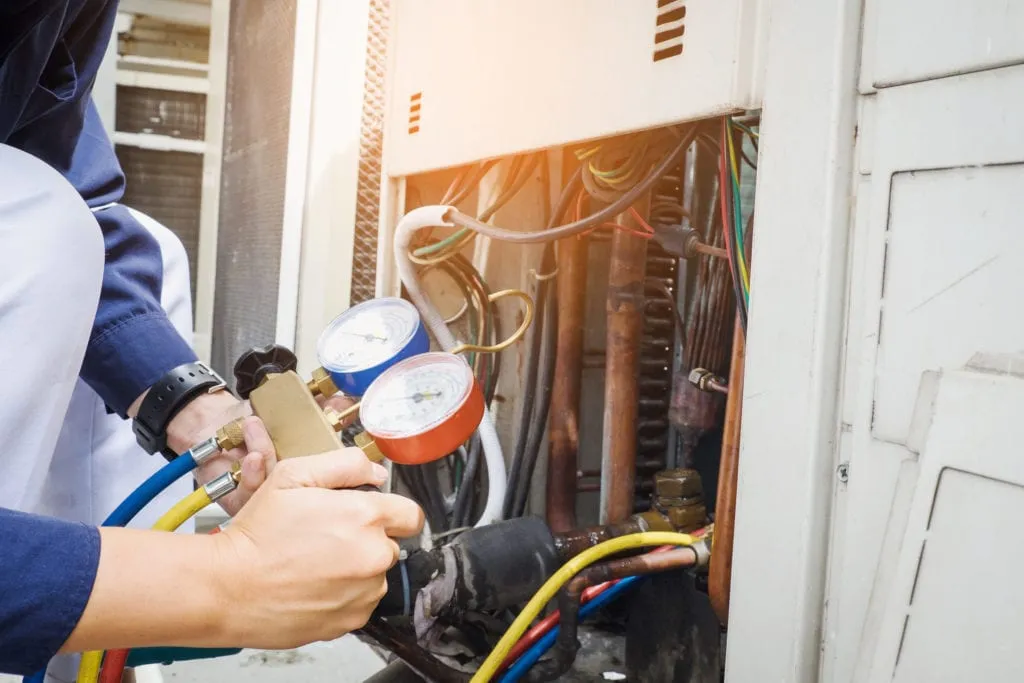
One of the earth-friendliest and most energy-efficient home heating system options is the heat pump system. They don’t use fossil fuel at all. Instead, they intake heat from the air or ground, which is delivered to the home via an electric pump. This type of system can also draw cool air and work as an air conditioner in summer. Heat-pump systems come in two varieties: ground source and air source.- Ground-source heating pumps are also called geothermal systems. Less common than air-source heat pumps, they draw heat from the earth via pipes buried roughly 6 to 8 feet beneath the ground.
- Air-source heat pumps draw natural heat out of the atmosphere, even if it's cold outside. They concentrate the heat and distribute it via pipes or a duct system throughout the house.
acilo / Getty Images