Should Your Next Move Be to a Smart Home?
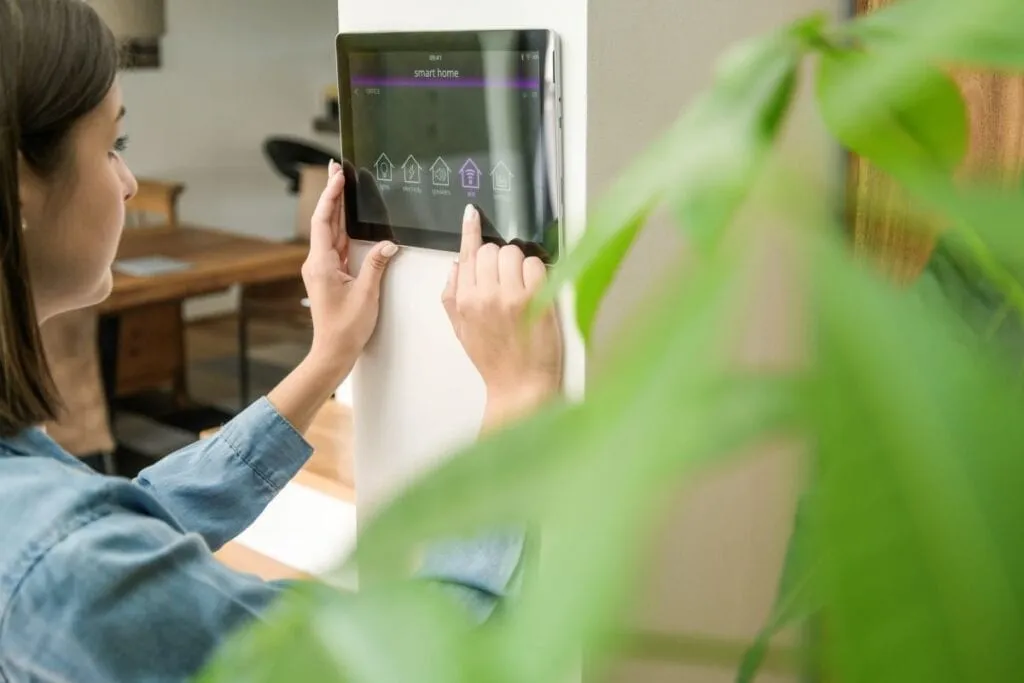
As smart home technology becomes not only smarter, but more affordable and pervasive, a question arises: How much of a factor will it be in real estate sales?
Right now, fans of smart technology are installing features in their homes, but what happens when they decide to move? Will they rip it out and take it with them? Will they leave it in the home? Will smart technology attract buyers — or repulse them? Or will buyers want to install their own technology, since — let's face it — who wants to buy last year's tech?
Anyone who has ever watched a science fiction show and dreamed of living in the portrayed universe will easily recognize the appeal of living in a smart home. But anyone who's ever watched a different kind of science fiction — the kind where devices are always monitoring and watching and, yes, spying on you — might be reluctant to sign on.
Regardless of which side of the science fiction divide you fall on, one thing is clearly not fiction: With properly integrated technology, a home can seemingly anticipate one's needs and make the necessary adjustments to fulfill them.
Something else that is clear: Millennials are among the shoppers eager to purchase homes equipped to bring that kind of automated future into reality. And they're going to dominate the home-buying market at some point. Soon.
So what makes these homes so attractive?