What Pests Come Out in Winter?
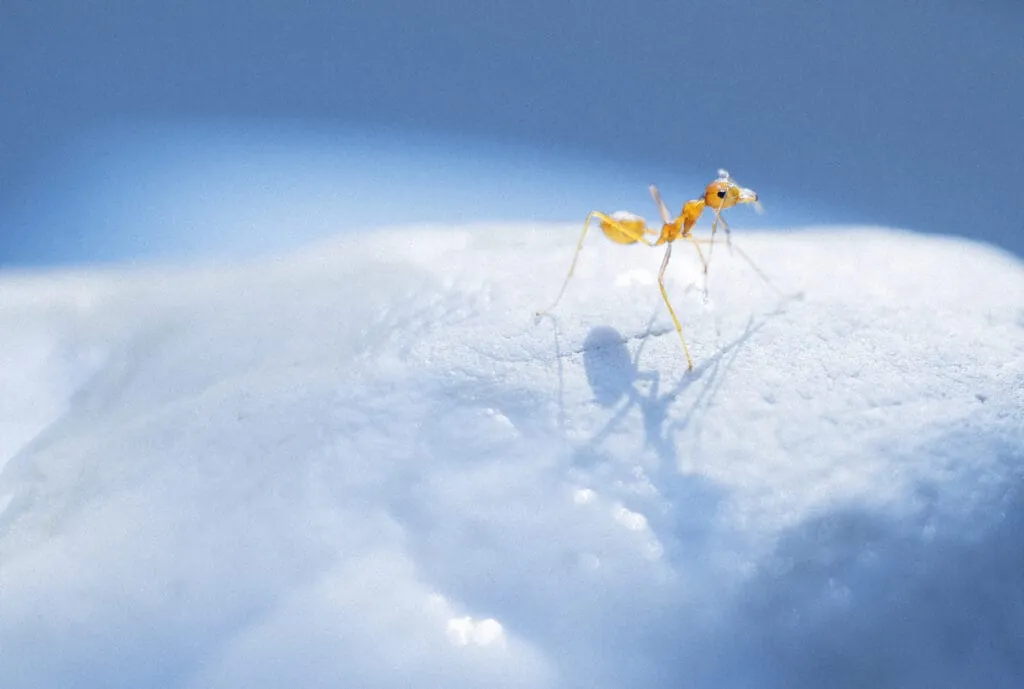
winter insects
Sarrote Sakwong/ Getty Images
Mosquitos, spiders, flies, and other insects are pests you normally think of as summer nuisances. The reason is simple — insects are cold-blooded and tend to be more active in the summer months. However, some home insects are just as troublesome when temperatures drop. There are bugs that bite during winter you should watch out for and control. Winter bugs in houses and homes need special tactics to fend off.


7 types of Winter insects to watch out for

There are seven common home insects in the winter. Many on the winter bug list are pests year-round but may increase their numbers around the house in the colder months as they seek shelter from the harsh, outdoor conditions. Look out for the following winter insects:

1. Ants

Ants can enter your home through tiny holes or cracks, or arrive on outdoor items, such as plants or flowers. They’re colonizers — if you see one, there are likely more around. Ants are in search of food. If they’re in your home, they will make their way towards your kitchen or a food source.

2. Beetles

Beetles in winter are more common than you think. They’re in search of warmth from the cold. You’ll find beetles in winter hiding in the warmest areas of your home, such as near a water heater or the clothes dryer. They don’t cause much harm but could multiply, infesting your house.

3. Ladybugs

Ladybugs are cute, as well as being productive members of your home garden. But when colder weather arrives, they could try and get into your house through window cracks and openings to shelter from the cold. They don’t bite but could swarm, secreting a yellow fluid with an unpleasant odor that could stain.

4. Silverfish

Silverfish are most common during the winter because they like damp, cold places. You’ll probably find them in a basement or a rarely-used bathroom. A female silverfish that’s not kept in check could lay thousands of eggs, causing an infestation.

5. Cockroaches

Native to tropical African climates, cockroaches are unable to survive in colder environments. They’re more common in warmer regions of the Southeast or the Southwest for this reason, although cockroaches are a problem nationwide, since they infiltrate warm, damp spots in homes to overwinter.

6. Spiders

Spiders are year-round pests, but you may notice more of the winter bug when it’s cold. They’re in search of a warm and dark place where they can safely hide, such as basements, boxes, or rarely-used corners.

7. Ticks

Although ticks are a summer pest, certain kinds are also considered winter insects. The deer tick, found on both the West and East Coast, is an active winter bug. They are one of the few bugs that bite during the winter, so keep an eye out for them around the house. And to keep them out, check your dog well after a walk outside to make sure your pet isn’t carrying back any unwelcome guests.

How to get rid of winter bug infestations

Once winter insects find the food and heat source they’re in search of, it will be hard to get rid of them. And if you don’t manage the situation right away, home insects can breed quickly, creating a winter bug infestation. There are insecticides and bug sprays available for different types of home insects, but many use chemicals that could be harmful indoors. Here’s how you can get rid of winter insects safely and as naturally as possible.

Ants

To control and remove ants, you’ll need to get rid of the food source that attracts them into your home. Make sure food packaging is well-sealed and there are no crumbs on surfaces or floors. Ant baits are good ways to stop an ant infestation. But if you worry about your pets accessing the bait traps, spraying a solution of half vinegar and half water can kill ants and repel any survivors. Vinegar is acidic enough to kill home insects without harming people or pets.

Beetles

Winter beetles aren’t as destructive as other pests. To get rid of them, vacuum them up and discard the vacuum bag or the contents of the canister. Similar to the ant-control strategy, make sure the food you keep in kitchen cabinets or the pantry is well sealed in plastic or glass containers and clean up crumbs right away.

Ladybugs

Finding and sealing the source ladybugs use to get inside is a good start. If you find an infestation, there are a couple of simple, natural ways to get rid of them. Vacuum them up or spray them with a soapy water solution. When you spray ladybugs with soapy water, it will kill them, as well as get rid of the distinct smell they produce that attracts other ladybugs.

Silverfish

There are sticky traps available that catch silverfish. But if you have household pets, the traps could be a problem. Some people report that spraying cedar oil will kill silverfish organically, without worrying about your pets getting their paws stuck on sticky silverfish traps.

Cockroaches

Cockroaches can multiply quickly, creating an infestation that’s difficult to control. A pest control professional can create a plan to kill and manage cockroaches. If you’re looking for a natural alternative, mix boric acid with some flour, sugar and water into a paste. Roll into balls and place wherever you’ve seen cockroaches. The roaches will eat the boric acid balls and die.

Spiders

To get rid of spiders in winter, try and keep clutter to a minimum. Discard boxes and packaging where spiders may hide. Vacuum darker, cluttered areas, as well as the corners of your home. A solution of equal parts water and vinegar can be a natural pest control alternative to kill spiders.

Ticks

If you notice ticks inside your home, there are non-toxic pesticides designed to kill them that can be sprayed on most surfaces. Ticks can’t jump or fly. Focus on spraying your home’s baseboards, corners and window sills to get rid of them.

The bottom line

Although home insects tend to be more common in the summer, there are winter bugs that can swarm or cause problems indoors when it’s cold outside. Winter insects are in search of two things — food and warmth. Make sure food is sealed in plastic or glass containers and any crumbs or food debris are quickly cleaned up. If you notice winter bugs around the house, look for where they could possibly be coming from. A gap in the window sill, cracks in the flooring, or a small hole in the wall could allow pests to get inside. Seal the gaps and you should be able to control the bulk of the issue.