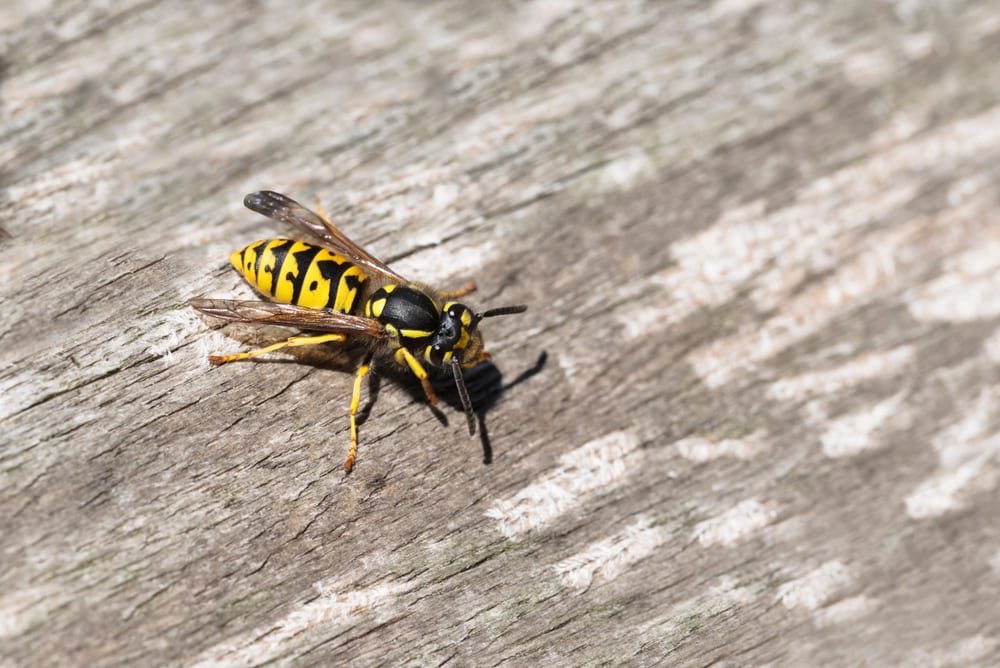
How to Get Rid of Yellow Jackets in Six Easy Steps
The products featured here are independently selected based on thorough research from our editorial team. If you buy something through links on our site, we may receive a commission.If you've found yellow jackets swarming around your yard, you may be understandably concerned — especially if you're allergic. Fortunately, the insects are fairly easy to evict from your property. For a quick solution, use this step-by-step guide on how to get rid of yellow jackets.
How to get rid of yellow jackets step-by-step
Even though yellow jacket infestations are temporary, they can be a real nuisance and potentially dangerous if someone develops an allergic reaction to their sting. "When removing yellow jackets, it is important to practice safety and caution," said Tom Monson, owner of Monson Lawn & Landscaping. "Wear protective clothing such as long sleeves, long pants, and a hat to cover the head and face. Additionally, it is important to avoid swatting at the yellow jackets, as this can further agitate them."Step 1: Find the nest
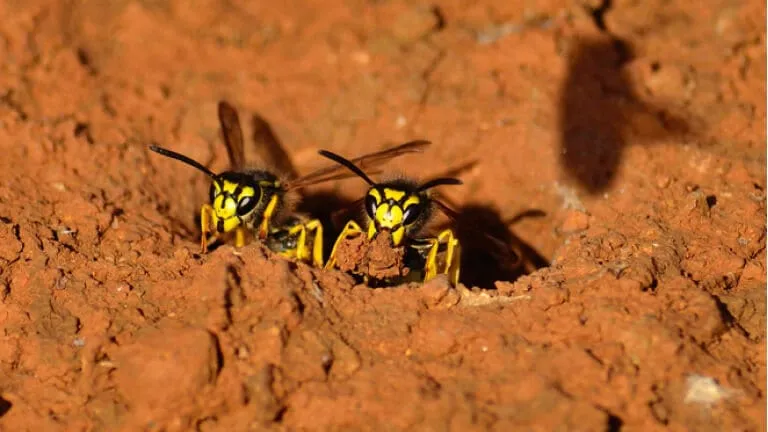
Finding the nest is essential to eradicating a yellow jacket infestation. As you follow the yellow jacket around your property, listen for loud buzzing noises that could indicate the location of the nest. Yellow jackets often make their nests underground, so be on the lookout for holes in your yard. "They typically nest in the ground or in trees, but they can create nests in outside walls or eaves if there is an access point," said Tim McMahan, a certified pest control technician in the St. Louis area. "There can be anywhere between a few dozen yellow jackets to several thousand in a single nest."Step 2: Select your yellow jacket treatment
There are numerous products available for purchase that you can use to get rid of yellow jackets. The most common include sprays, traps, and baits:- Ortho Home Defense Hornet & Wasp Killer. When using this guide on how to get rid of yellow jackets, this aerosol spray will allow you to keep a safe distance of up to 20 feet.
- RESCUE! Reusable Yellow Jacket Trap. This trap lures yellow jackets with a special non-toxic chemical. Once inside, the yellow jackets die from dehydration.
- RESCUE! Disposable Yellow Jacket Trap. This yellow jacket trap is effective for luring all types of yellow jacket species and then drowning them in a nontoxic liquid.
- Bonide 363 Spider and Ground Bee Killer. This product helps kill and prevent further infestations. Apply it to the exterior of your home, dark corners, and holes as needed.
Step 3: Find the entry and exit points
Since yellow jackets live underground in animal burrows, you'll need to locate both the entry point and exit point of the nest. Do this by looking for holes in the ground that are closely guarded by a few yellow jackets hovering nearby.Step 4: Apply the treatment
Once you've located the nest, wait until dusk or just before sunrise to apply the treatment. This makes it harder for the yellow jackets to find and sting you. While there are a number of treatments available, an aerosol spray is safest for homeowners. The product should feature a long-range spray that allows you to stand back from the hole. Make sure to spray both the entrance and exit holes of the nest for at least one minute each, moving in circular motions and covering as much of the interior nest walls as possible. If any yellow jackets escape, spray them directly before they can fly away.Step 5: Check the nest for activity
After treating the nest, wait 24 hours, and check for additional yellow jacket activity. Apply treatment again if needed.Step 6: Keep them out of your home for good
The best way to prevent yellow jackets from returning to your home is by filling any visible holes in your yard. If your trash cans are stored outside, make sure they're covered at all times. Investing in a yellow jacket deterrent is advisable if infestations are a constant problem in your area. "They eat sweet liquids and foods, so make sure spills are cleaned up, garbage cans are cleaned regularly," said McMahan. "If you have fruit growing on your property, make sure the fruit is harvested or disposed of before it can become an attractive food source."What do yellow jackets look like?