How to Get Rid of Termites in Your Home for Good
What do termites look like?
It's possible to have a termite infestation and not see a single termite because they typically stay hidden in soil, mud tubes, or tunnel through food sources. Eventually, however, termite colonies become overcrowded and mature adults sprout wings and emerge in order to breed and find new homes. This process is known as swarming. Termites are often confused with ants, as they have a similar size, shape, and body structure. However, there are a few key differences that can help you identify your problem pest as a termite or not. Ants have pronounced pinched waists, while termites are generally the same width throughout the length of their bodies. Another key difference is that termites have straight antennae, while ants have bent, elbow-shaped antennae. You can also easily differentiate winged termites from winged ants: Termites have long wings equal in length, while ants have a pair of front wings that are longer than their hind wings. There are a few different types of termite species in the U.S., with recognizable physical differences between them. The most common are subterranean termites, which nest in soil but feed on wood. Dampwood and drywood termites nest and feed on wood, with the dampwood variety requiring moist wood to live and are typically found in coastal areas. Dreaded Formosan termites are invasive subterranean termites identified by their tear-drop shaped heads, while native subterranean termites have uniformly shaped heads.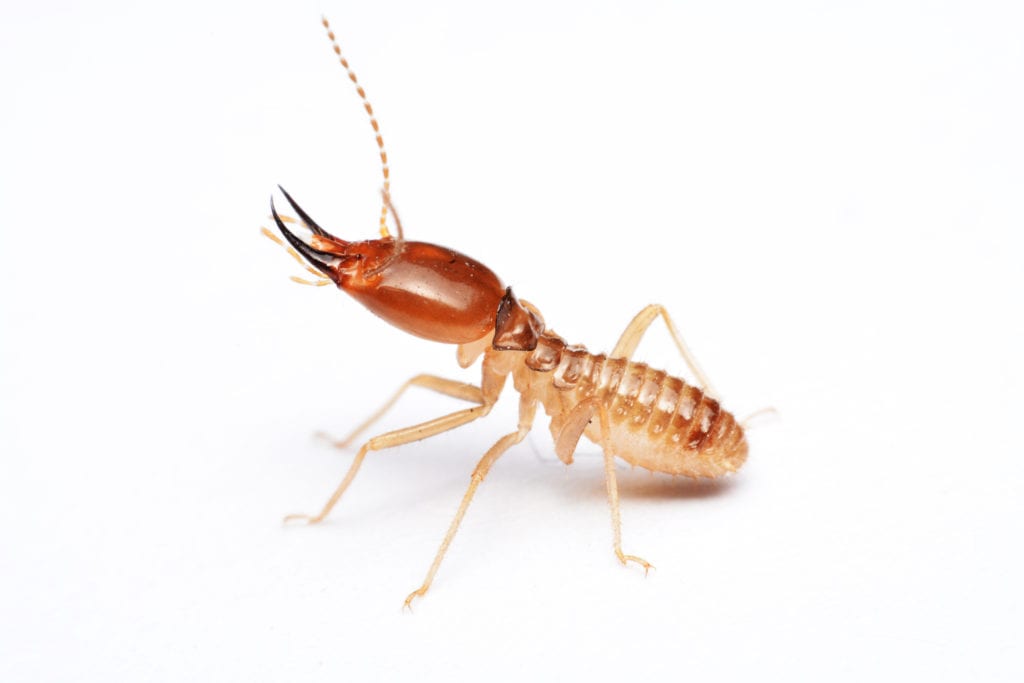 BEJITA / Shutterstock
How do you get termites?
Nesting termites emerge from their colonies to feed. They're attracted to humidity, moisture, and food sources — including the wooden structures that make up your home. Having wooden parts of your home that touch the soil is one way to invite termites onto your property. Improperly applied mulch, poor drainage, and storing firewood next to your house are other mistakes that could cause termites to take up residence in your home. The biggest threat posed by a termite infestation is structural damage to your home. Hungry termites cause billions of dollars of damage to buildings each year. Every homeowner needs to know how to identify and kill termites effectively. When you detect the first signs of termites, you should take steps to implement a termite control program immediately in order to prevent further damage to your property. Swarming termites is one surefire sign that you may have a termite problem, but you should regularly check for damaged wood and the mud tubes that termites use to travel from the nest to find food sources.How long can termite infestations last?
Once termites establish a colony, they're there for the long haul. Each colony has a king and queen that are the sole reproducers of the nest, and some have been known to live for as long as 25 years. That's why you must take it upon yourself to evict termites if you discover an infestation, or they'll continue to devour the structural wood elements of your home.How to get rid of termites in your home, step by step
Step 1: Locate and identify termites
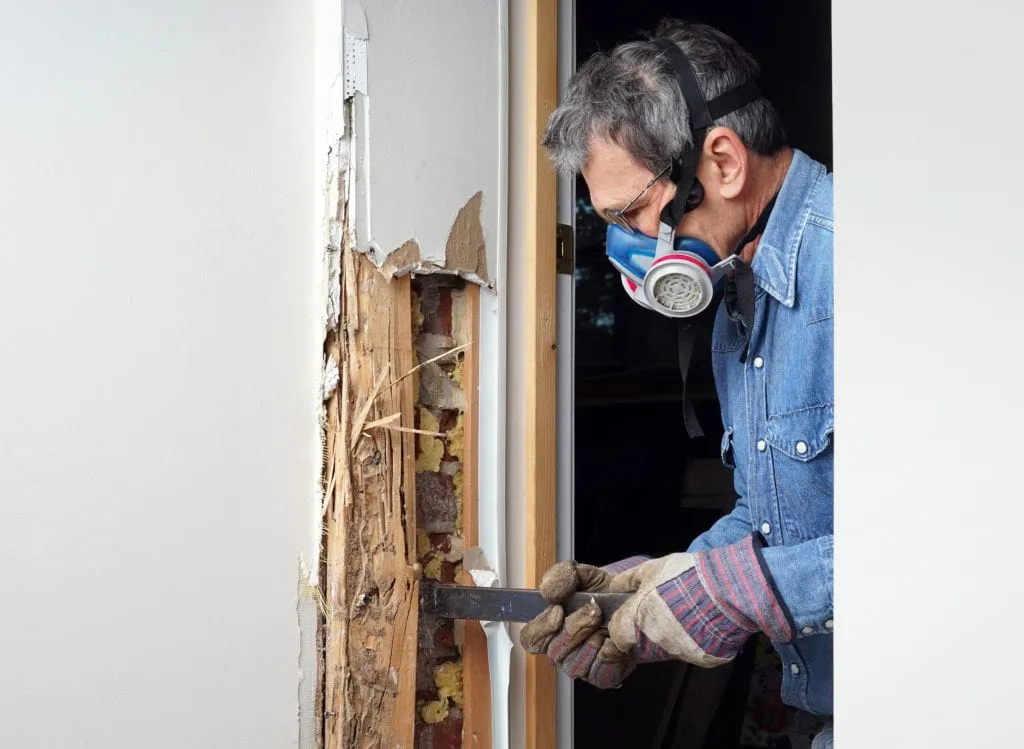
Regularly inspect your home for signs of termites. Look for damaged wood, particularly in areas around your home where wood surfaces make contact with the soil. Mud tubes, about 6mm in diameter, running along walls, foundations, or joists are another sure sign. Drywood termites don't build mud tubes, as they nest in dry pieces of wood. Look for small digested wood pellets, which are smaller than a grain of rice, which drywood termites leave behind as they eat their way through wood.Step 2: Contact a professional
It’s usually recommended that homeowners seek help from a professional terminator exterminator instead of attempting to get rid of termites on their own. That's because termites are hard to remove and specially trained professionals are better equipped to deal with termite removal. Termite exterminators typically use specialized equipment and sometimes hundreds of gallons of liquid pesticide. However, DIY termite treatments are commercially available and best suited for dealing with accessory structures like sheds, fences, or decks.Step 3: Apply a barrier treatment
If you're going to try the do-it-yourself route, start by applying a barrier treatment such as BioAdvanced Termite Killer. This consumer barrier treatment consists of granules that you can spread around the outside of your home to kill termites before they can enter your home. Be sure to follow label directions carefully.Step 4: Use termite baits
To eliminate an existing termite infestation, apply bait such as Spectracide Terminate. Consumer baits are stakes that you insert into the ground around your home. The bait attracts foraging termites, which take the poison back to the nest. The bait works slowly, taking three to 14 days to kill the colony.Step 5: Prevent future infestations
In addition to regularly applying a barrier treatment, homeowners can take a number of non-chemical preventative measures to discourage future termite infestations. Such measures include removing wood siding or other structures that contact the soil, diverting rainwater away from the foundation with functional gutters, and using gravel in garden beds instead of wood mulch.Getting rid of subterranean termites
Subterranean termites are best treated using a combination of barrier treatments and bait. Liquid barriers in the soil repel termites from entering your home to feed on wood. Barrier treatments also serve to kill off termites inside your home, as they can't return to the soil to drink. Bait combines a cellulose food source with a slow-acting poison. Foraging termites are drawn to the bait stations and spread the poison around the colony, killing its inhabitants. You can use bait alone or in conjunction with liquid treatments.Getting rid of drywood termites
Getting rid of drywood termites requires a different approach. Because they nest alongside their food source, barriers aren't effective and bait may be inaccessible. Drywood termite infestations often require whole-house treatment, especially when their nest is hidden from view. This requires termite fumigation using sulfuryl fluoride gas over the course of a few days. Termite tenting requires your family, pets, and plants to vacate the premises during treatment. Another option involves heating your home so that the wood reaches a temperature of 120 degrees Fahrenheit for about 33 minutes.Products you can use to treat a termite infestation
- Barrier treatment: BioAdvanced Termite Killer is one commercially available barrier treatment that you can use to block termites from entering your home.
- Bait stations: Spectracide Terminate spreads insecticide to the entire colony killing it gradually.
- Aerosol spray: Terro Carpenter Ant and Termite Killer eliminates termites on sight if you discover them feeding on infested wood.
- Insecticide foam: Termidor Foam is an effective termite killer that you can spray directly into small cracks, crevices, and nests as an effective spot treatment.