How to Get Rid of Spiders, Step by Step
Warm weather is always welcome, but with it comes an influx of critters looking to make their way into our homes. Spiders are one of the most hated pests, yet they play a critical role in our ecosystem. Spiders can help us with pest control because they eat other insects that may come into our home, but many of us are still spooked by the idea of spiders living among us.
Here are some of the most commonly asked questions about spider infestations in your home, and a step-by-step guide to how to get rid of spiders.
What do spiders look like?
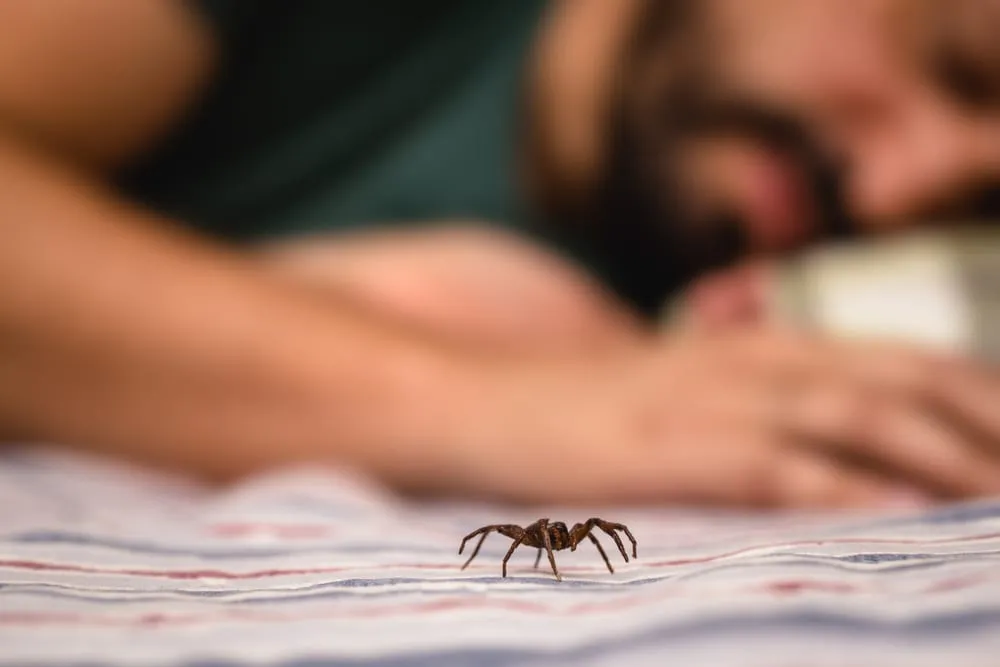
There are more than 35,000 spider species worldwide but only a small variety of them will actually show up in your backyard. Spiders are distinctive insects with eight legs and bright eyes. When trying to determine the species of spider in your home, consider its size, color, and behavior. Without knowing where to apply pest control and what you're looking for, preventing spiders from coming into your home can be tricky. Though not all spiders are venomous, it's crucial to pay close attention to any strange or lingering spider bites you may receive. Most spider bites will appear as small, red, itchy bumps on your skin and may also be painful. Most common spider bites will take longer to heal than an average bug bite but you can treat the bite with topical ointment or anti-inflammatory medication.How do you get spiders?
Spiders can enter your home in a variety of ways—and for a variety of reasons. Usually, they are looking for basic necessities such as food and shelter. Spiders enjoy spinning webs and making themselves at home in areas that are mainly undisturbed such as ceilings, light fixtures, and window seals. Spiders can enter into your home through doors, windows, vents, or any unfilled holes or cracks. Spiders will enter your home mainly because there is a food source for them there. If you've found spiders in your bathroom, that may mean there are other bugs lurking around that the spider wants for food. It's smart to keep an eye out for other pests because many spiders will prey on insects that may be carrying diseases into your home. Most spiders pose no threat to humans and will attempt to hide from the places you frequent most. Spiders living in and around your home will only bite if they feel threatened by you. In fact, as long as you're keeping your distance and the spider isn’t a venomous species, living with spiders can actually benefit you by killing other pests and reducing your need for chemical insecticides.How to check for spiders
Spiders choose to make their homes in the low-traffic areas of your house. You'll find spiders in cluttered, less-visited spaces such as the garage and attic. But don't be surprised to find some spinning webs in high ceiling areas or on hard to reach light fixtures. The best way to check for spiders is to declutter those less frequented areas and keep them organized. Spiders will have nowhere to hide when the space is open and free of clutter. You can take it a step further by spraying a bug repellant solution outside your home. It's best to spray outside around porches, under decks, and under patio covers.How long can spider infestations last?
A spider infestation can last as long as the spider is receiving its basic necessities such as food, shelter, and water. Once one of these necessities is eliminated, the spider infestation can be too. It could take days or weeks to realize you have a spider problem because the spiders hide from humans out of fear.How to get rid of spiders, step by step
Finding a spider in your home can leave you and your family feeling unsettled and squeamish. While most species of spiders that come into your home are relatively harmless, you still may want to take advantage of knowing how to keep them away. If you're ready to rid your home of spiders and other pests, follow our step-by-step process to effectively eliminate them.Step 1: Take a powerful vacuum to your carpet, floors, furniture, and mattress
By deep cleaning around your home, you'll be able to disrupt the spiders' living spaces and remove their resources. Use a crevice tool attachment to go over any tight spaces or cracks where spiders are known to build webs and hide.Step 2: Seal all outdoor cracks and holes where spiders could enter your home
Take a walk around your home to inspect all small holes and cracks. By filling these areas in, spiders will have a harder time entering your home.Step 3: Keep your home tidy and clean
By keeping your home organized, spiders will have fewer places to hide out. Consider implementing a regular cleaning checklist where you can quickly sweep out any webs beginning to form and spray for spiders during mating season and warmer months.Products you can use to treat a spider infestation
- Harris Spider Killer Spray - Harris Spider Killer Spray is an odorless solvent you can use anywhere from your home to your car to regularly keep spiders out
- Mighty Mint Spider Repellent - Mighty Mint Spider Repellent is ideal for those looking for a non-toxic solution to use within their home or even in their personal garden
- Miss Muffett's Revenge Spider Killer - Miss Muffett's Revenge Spider Killer is a ready-to-spray product with a nozzle that gives you accuracy without you having to be too up close and personal with the pests
- Raid Max Spider Killer - Raid Max Spider Killer spray works fast to effectively eliminate spiders, roaches, and ants