Creepy Crawler Alert: How to Get Rid of House Centipedes
House centipedes can strike fear into just about anyone who encounters them inside their home. These pests have worm-like bodies with multiple sets of long, creepy legs. House centipedes prefer to stay out of sight, so if you encounter one, it will most likely be an unwelcome surprise for both you and the centipede.
What do house centipedes look like?
The bodies of house centipedes appear to be flattened and elongated. Their bodies contain numerous segments, each of which includes a pair of legs. On the female house centipede, the last pair of legs are elongated to almost twice the length of her body, causing her to look even bigger and more threatening. "While they do have poisonous jaws that they use to inject venom and kill their prey, the jaws are not powerful enough to easily puncture human skin," according to PestWorld.org. "However, centipedes will occasionally bite in self-defense, which can cause some localized pain and swelling, similar to that of a bee sting."How do you get house centipedes?
House centipedes come into your home in search of shelter and food. They prefer to spend their days in dark, damp places and their nights on the hunt for food. House centipedes eat other pests such as silverfish, cockroaches, and spiders — but that doesn't make homeowners any happier to see them. The presence of house centipedes can point to a potentially bigger issue with other pests in your home. If you start seeing a number of house centipedes, it is important that you take a hard look at the possibility of a serious secondary infestation.How to check for house centipedes
A house centipede infestation can be difficult to spot because of the elusive behavior of this pest. Most of the time, house centipedes remain in damp and dark places throughout the majority of the day. If you want to check your home for house centipedes, you should start your search in any area that has a history of water problems. Under sinks and in the basement are good places to start looking for house centipedes. You can also check for house centipedes by watching for activity when they are typically active. If you are a night owl, take the opportunity to look around for house centipedes the next time you are up late. Start your search in areas such as the bathroom, kitchen, or basement where dampness is most likely to occur. Keep in mind they can run very fast and they run upright ... that's right ... they run on their hind legs!How long can house centipede infestations last?
In the right conditions, female house centipedes can live for up to five years, and if they are injured they can regrow their legs. Also, during that long lifespan, the female centipede will reproduce multiple times. The Penn State Department of Entomology points out that a female centipede can have as many as 150 offspring in her lifetime. A house centipede infestation that starts small can grow to very large numbers over the span of a female centipede’s lifetime.How to get rid of house centipedes, step by step
If you want to know how to get rid of house centipedes, start by following the step-by-step guidelines below. A few proactive steps on your part can help you get rid of the house centipedes currently in your home and prevent more from coming inside in the future.Step 1: Deal with any water issues around your house.
House centipedes are attracted to areas that are dark and damp. If you have any water issues around your house—such as a leak under your kitchen sink—you are inadvertently creating an ideal space for house centipedes. Fixing water issues will make your home less attractive to this pest.Step 2: Give your house a thorough cleaning.
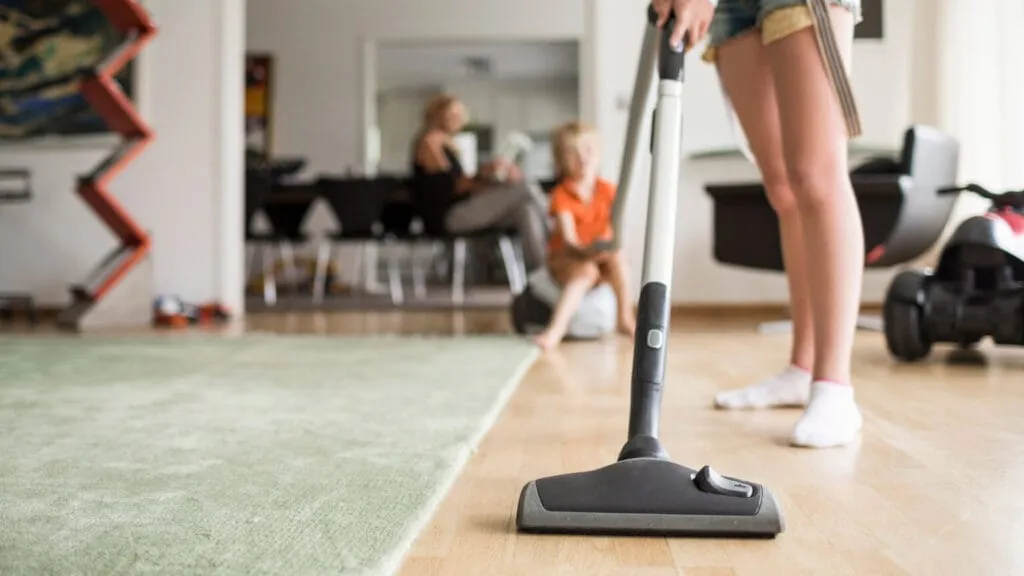
Vacuuming out the corners and crevices of your home using a high-powered vacuum cleaner can suck up house centipedes that are trying to hide during the day. Be sure and dispose of the contents in a way that does not allow the centipedes to crawl back into your house.Step 3: Get rid of other pests in your home.
House centipedes feed on other pests like cockroaches, silverfish, and spiders. If you have another type of pest infestation, it can attract house centipedes into your home. Eradicating other types of pests can help you get rid of house centipedes.Products you can use to treat a house centipede infestation
- High-powered vacuum cleaner. A high-powered vacuum like the Shark Navigator Lift-Away Professional NV356E can be used to suck up house centipedes that are hard to reach by any other method.
- Sticky trap. Sticky traps like the Trapper Insect Trap placed strategically around your home can catch house centipedes when they come out to hunt for food.
- Pesticide spray. You can use a pesticide spray like Ortho Home Defense Insect Killer to eliminate house centipedes and protect your home from re-infestation.
- Pesticide granules. Pesticide granules like Ortho Home Defense Insect Killer Granules can be spread throughout the exterior of your home and kill house centipedes that are looking for a way inside.