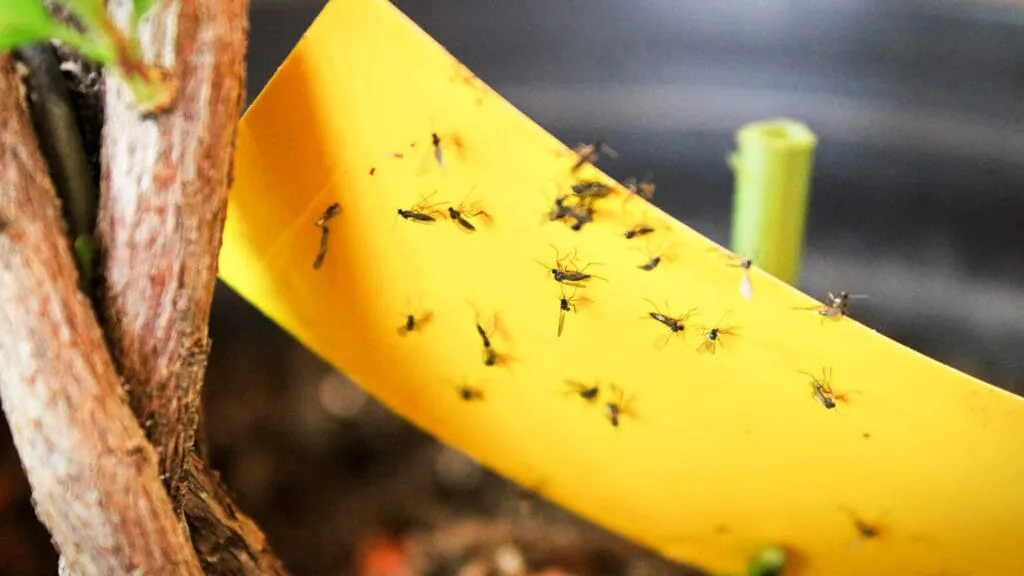
We’ve all been there — you forget to throw out that old fruit or to take out the garbage and suddenly your kitchen is infested with gnats. But the first thing you’ve got to do before you go about getting rid of gnats is to make sure that the bugs in your home are, in fact, gnats. There are lots of little winged bugs, similar to fruit flies, that can get into your home.Read on to discover how to tell if you have a gnat problem and, if so, how to get rid of gnats outside and how to get rid of gnats in your house.
Where gnats come from
Gnats mainly come from eggs laid in unripe fruits. Once the fruit rots, the larvae eat the fruit to grow into adult gnats. Gnats can also enter your home through an open door or window, emerge from eggs laid in produce, and grow eggs in potting soil. Once gnats are inside your home, they live in decaying matter and moist areas.While most gnats don't bite, those that do cause itchy bites. Additionally, the eye gnat can transmit pink eye and the fungus gnat can kill seedlings and houseplants by feeding on their roots.
How to check for gnats
When you have an infestation, you’ll see gnats flying around in large numbers near rotten fruit, trash, compost, and wet areas. Look for spaces in your home where you may have water damage, like a leaky roof or crawlspace.Your pet may also be plagued by gnats. This often happens outside when your dog or cat is playing and encounters a swarm. Gnats also inhabit contaminated soil outside and in potted plants where moisture and fungus can develop.To check for fungus gnat larvae in your yard and plants, slide a few potato wedges into the soil and leave them there for a few days. Then, pull them out to check for larvae — if you see them, then you have contaminated soil.
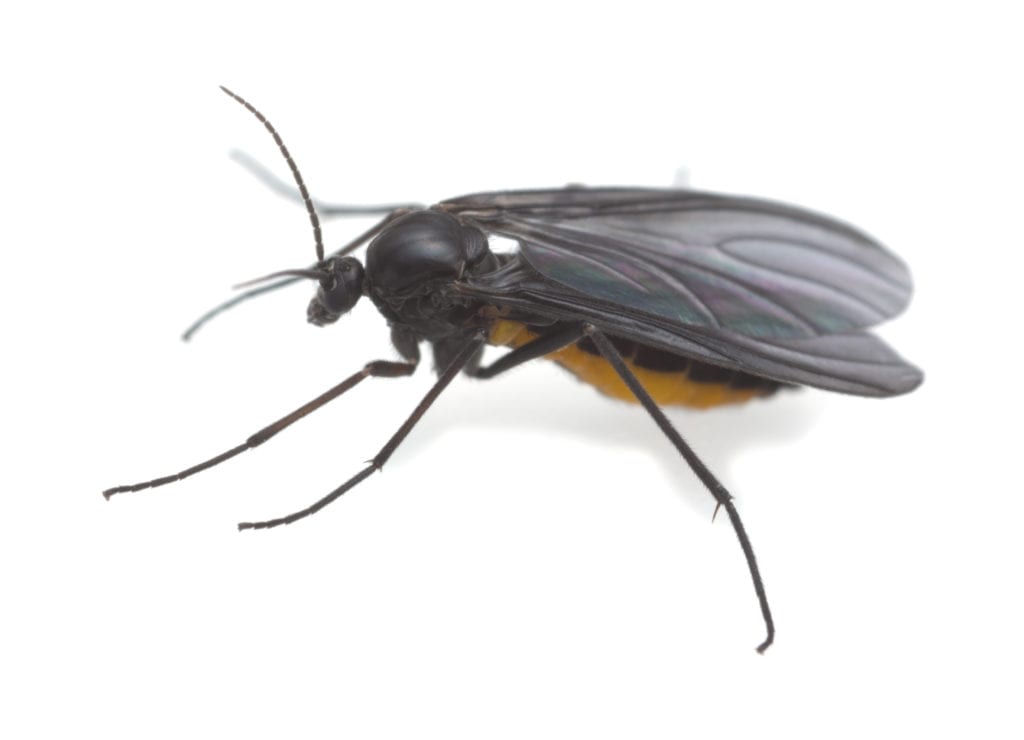
What gnats look like
Gnats are small, winged insects that are dark brown and have long, thin bodies. They're about a quarter of an inch long. They look like small flies but can't fly well. Fungus gnats, another type of gnat, are black and have long legs.Gnats fly in large numbers and often occupy soil and other wet areas. Though they're not necessarily dangerous, gnats are hard to get rid of and are a nuisance. This is why property owners want to know how to get rid of gnats from their yard and home immediately and for good.Henrik Larsson / Shutterstock
How long can a gnat infestation last?
A gnat infestation can last as long as the weather is warm and food and moisture are available. Generally, gnats die in cold temperatures and thrive when temperatures are between 75 and 80 degrees Fahrenheit. It's possible for gnats to continue to live indoors in off-seasons if they find a warm and wet place to thrive.
How to get rid of gnats, step-by-step
Getting rid of gnats has everything to do with consistent removal efforts. Check out these steps to learn how to get rid of gnats in a few easy, streamlined ways.
Step 1: Get rid of contaminated items
Throw out rotting fruit, fix leaks that cause moisture in the home, and get rid of contaminated potted soil. To check for contaminated soil put a few potato wedges in the pot. Check them after a few days to see if you have gnats or larvae.
Step 2: Kill bugs on sight
Use an indoor insecticide like EcoVenger to kill gnats on sight. Set gnat traps to capture the remaining gnats. For the most effective results, place several around your house.
Step 3: Re-pot indoor plants
Remove indoor plants from contaminated soil and place a trap in the new soil, such as Garsum Yellow Sticky Stakes.
There are quite a few home remedies to get rid of gnats naturally. These home remedies usually involve attracting gnats with a decaying or sweet, fermented liquid to trap and remove them. For example, fill a cup with apple cider vinegar, 1 tablespoon of sugar, and a few drops of dish soap and cover the cup with clear plastic wrap. Poke a few holes in the plastic with a pen and leave it in the affected area. Gnats will collect in the trap and die. Placing several traps in different locations is the most effective way to get rid of gnats.To keep gnats out of your home, you need to make it a place that gnats don’t want to be. Take away moisture, food, and shelter and it’ll be hard for gnats to thrive. Don’t leave out any food or dirty dishes overnight. Be sure to leave your sink and kitchen area free of food that can attract gnats. Take your trash out regularly and cover all wastebaskets.Be sure to clean your trash can once in a while to get rid of bad smells and rotten food juices that gnats love to eat. If there are any leaks or damp areas in your home, resolve these problems as soon as possible. Finally, if you have potted plants that are harboring fungus gnats, get new potting soil.
The bottom line on gnats
Gnats are bothersome, common household pests that are drawn to damp areas and rotting food. To keep them out of your home, remove anything that attracts gnats such as rotting fruit, poor quality potting soil, dirty dishes, and festering trash. Setting a sticky gnat trap or a home remedy natural gnat trap can also reduce numbers and infestations as you deal with the issue.Gnats are also attracted to poor soil with inadequate drainage outside. To resolve the issue, aerate your lawn every year, replace poor soil with fresh soil, and apply a pest killer to the ground.
Flea infestations are a major inconvenience. Fleas can bite, carry diseases, and generally just cause chaos. Your yard and lawn create a comfy environment for fleas to feed, breed, and lay their eggs — and gives them easy access to hitch a ride inside on you or your pets. To learn how to know if...
Snakes of all types can be found in most regions of the U.S., so chances are you might come across one in your yard. Because some people often fear snakes (whether they're poisonous or not), it can be challenging to think with a clear head when they're around.
In this guide, we'll discuss how to...
Including its tail, the average mole is between four and 11 inches long. They typically have black, brown, or gray fur and resemble rodents, though they’re technically small mammals. They have tiny ears and eyes, small hind feet, and larger forefeet used for digging. Even though moles look similar...