How to Get Rid of Chipmunks
There are a number of destructive rodents that can cause problems in your yard and around your home and rats, mice, gophers, and moles are often hated by many homeowners. But one rodent most people overlook is the chipmunk. This small rodent is cute and fun to watch in action, but it can also cause problems in your garden and your yard. If chipmunks are causing problems at your home you’re going to want to know how to get rid of chipmunks. Luckily, there are some steps you can take to get rid of them quickly and humanely.
What do chipmunks look like?
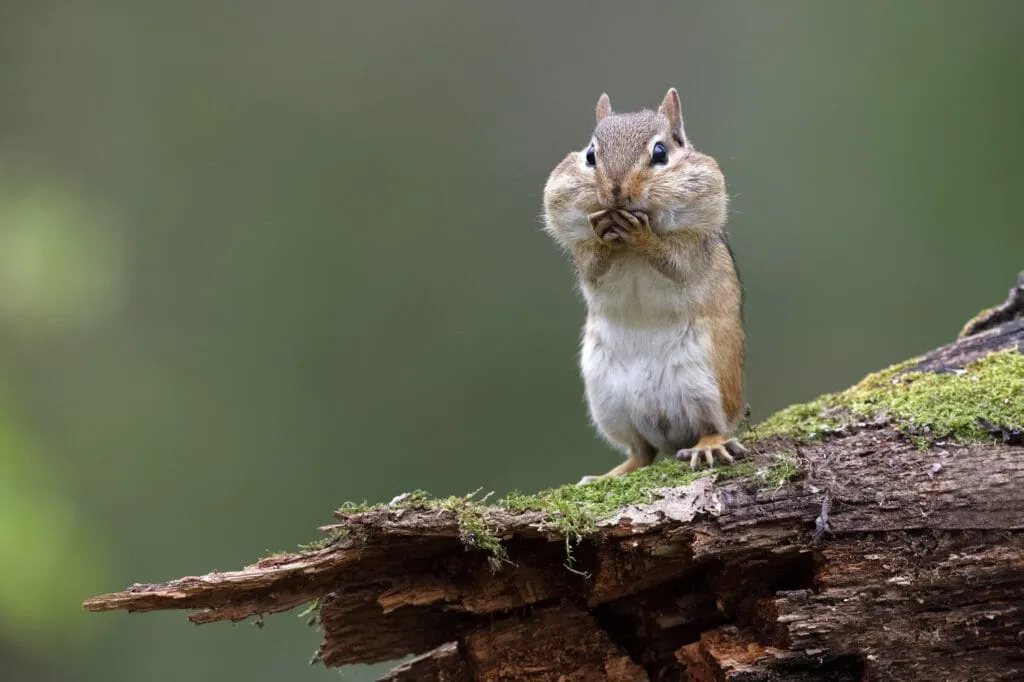
If you want to know how to get rid of chipmunks, you need to make sure you know what they look like first. Proper identification will help you choose the right removal option. Chipmunks are small rodents that are about 5 1/2"—6 1/2" in length. Chipmunks are brown with dark stripes that go down their sides and back, as well as a white stripe that goes down the middle of their back. Their unique coloration provides them with camouflage for the areas they naturally inhabit. Despite their cute appearance, chipmunks are potentially dangerous pests because they can spread diseases to humans. The Centers for Disease Control and Prevention points out that chipmunks can spread serious maladies like tularemia and plague, both of which have potentially serious consequences for humans. So if you feel compelled to try and give the chipmunk in your yard a little cuddle, don’t do it.How do you get chipmunks?
Chipmunks prefer to spend their time in forests, tree lines, and along fences. However, this rodent is adaptable and has been found in a wide variety of environments. If you live near an area that is a natural habitat for chipmunks, they can end up in your yard while searching for food. Chipmunks spend the majority of their time searching for and storing food. The rest of their time is spent burrowing, eating, and mating. If you have plants, flower bulbs, or bird feeders in your yard, chipmunks are most likely there because food is easy to find. If you have a chipmunk infestation, you will notice chipmunk holes throughout your yard. These holes lead to burrows where chipmunks store much of the food they collect. The holes and tunnels that chipmunks create can be unsightly and sabotage your efforts to maintain a beautiful yard. In addition, it is difficult to enjoy moving around and playing in a yard that is riddled with holes.How to check for chipmunks and chipmunk holes
As you explore the answers to your question of how to get rid of chipmunks, you will find that you have a number of options. Once you know what chipmunks look like, the next step is to know when to look for them. Chipmunks are most active during the day and can often be spotted mid-morning and mid-afternoon. Start your search for these rodents during a time of day when you know they are most likely to be active. You can increase your chances of spotting a chipmunk by finding the burrows in your yard. Chipmunks are protective of their burrows and will vocalize to let you know if you are getting too close. Burrows are small holes in the ground and can usually be spotted near walkways. It is not common to have a chipmunk problem inside your house. These rodents tend to stay outside but do occasionally find their way indoors. The Humane Society suggests that any chipmunk that is in your home does not want to be there and simply needs a way to escape.How to get rid of chipmunks, step by step
If you want to know how to get rid of chipmunks humanely, there are a number of options. While these rodents are cute, they can also be destructive and dangerous. The best option for you as a homeowner—and for the chipmunks—is for them to be caught, removed, and re-homed in an area farther away from people.Step 1: Repel chipmunks from your yard
You can use ultrasonic sound that is undetectable to the human ear to keep rodents like chipmunks out of your yard and garden. You can find devices that do this online for less than $50.Step 2: Remove factors around your home that attract chipmunks
Chipmunks will eat some types of plants, bulbs, and birdseed. If you notice that there are certain things around your yard that the chipmunks prefer to feed on, remove them, or put them out of reach.Step 3: Take protective measures when planting your garden
The Humane Society recommends surrounding the area with a gravel barrier devoid of plants and using a wire or plastic ground cover to protect bulbs from chipmunks.Products you can use to fix a chipmunk infestation
- Live traps: Traps such as the Kensizer Small Animal Humane Live Cage can catch chipmunks without harming them so you can humanely get them out of your yard
- Ultrasonic devices: The Garden Secrets Compact Solar Ultrasonic Animal Repellant is an ultrasonic device that can help you get chipmunks out of your yard and keep them away using sound
- Granular repellent: Granular repellent like Havahart Critter Ridder 3146 Animal Repellent is non-lethal for chipmunks but can help keep them out of your yard by repelling them with both its taste and odor
- Repellent spray: You can also spray your yard with a repellent such as Ortho Animal B Gon All Purpose Animal Repellent Ready-to-Use Spray which works by using a scent that is offensive to chipmunks and other pests