Are You Actually Ready to Buy a House? Ask Yourself These 3 Questions First
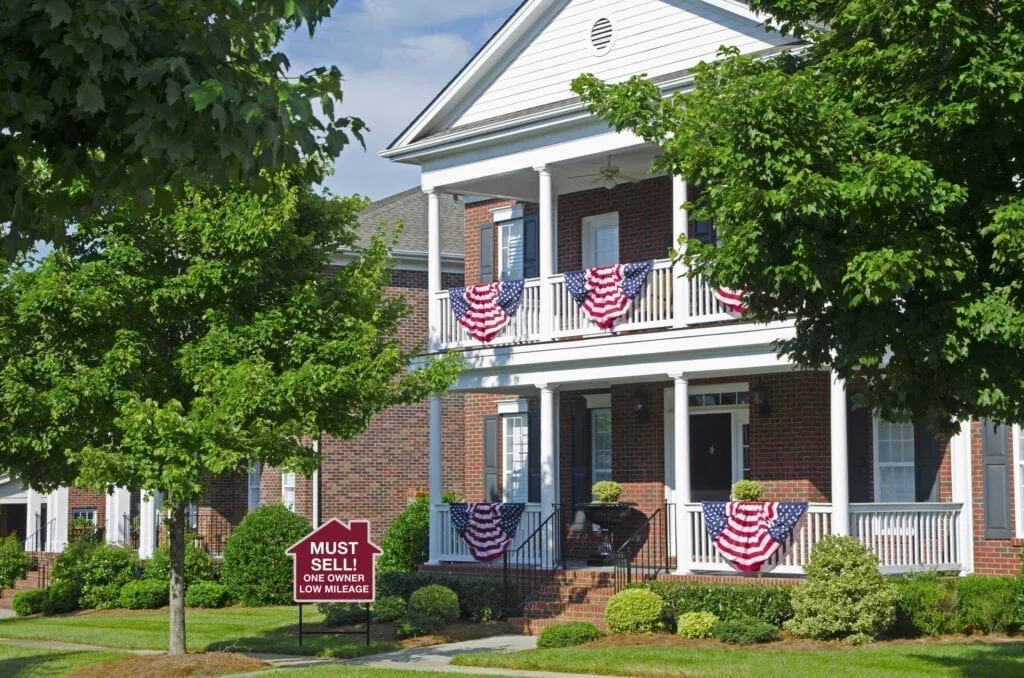
Have you been thinking about buying a home recently? If so, you've probably asked yourself time and time again whether or not you're actually ready to buy. After all, deciding to become a homeowner is a huge commitment. It makes sense to want to be certain before taking the plunge. The question that many struggle with is how to tell if now is the right time.
If you're in a similar situation, you're in luck. We've come up with three questions to help you determine whether or not you're actually ready to buy. Read them over and ask yourself each one in turn. Then, be honest with your responses. If you're truthful with yourself, these questions should settle the debate of whether or not it's time for you to enter the market.
 bauhaus1000 / Getty Images
 stevendocwra /Getty Images
bauhaus1000 / Getty Images
Are you financially ready to buy?
Making sure you're financially ready to buy a home is one of the smartest things that you can do before diving into the market. The reality is, getting approved to become a homeowner requires a certain amount of financial stability. Plus, owning a home comes with many costs of its own. You'll want to be sure that you're on solid financial ground before diving into the market. When mortgage companies look at whether or not someone is qualified to buy a home, they focus on four key factors. They are:- Two years of W-2s: Ideally, from the same company. This shows that you have a stable source of income with which you can pay back the mortgage.
- A good credit score: These days, mortgage companies are looking for a score of 540 or higher for FHA loans and 620 or higher for conventional loans.
- Low debt overall: To get approved for a mortgage, you need to have a debt-to-income ratio below 36 percent. To find this figure, add up all your monthly debt payments and divide that number by your total monthly income.
- A savings account: In order to buy a house, you'll need to make a down payment (3 to 20 percent of the sale price) and pay closing costs (1 to 2 percent of the sale price). Make sure you have enough saved to cover those costs.
stevendocwra /Getty Images