9 Small Space Mistakes Almost Everyone Makes
We hope you like the products we recommend. Just so you are aware, Freshome may collect a share of sales from the links on this page.
When it comes to designing and decorating small spaces, most people know the cardinal rules. Keep things light; make sure the furniture matches the scale. But while trying to make sure you're getting the most out of every inch of a small space, you could be doing the total opposite. When designing around a less-than-robust space, think beyond the usual suspects. Avoid these small space mistakes by taking the big picture into account. Follow our guide to avoid some of the most common gaffes.
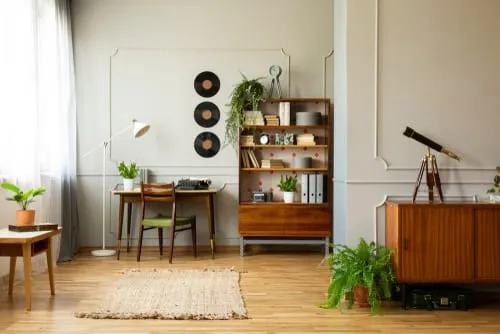
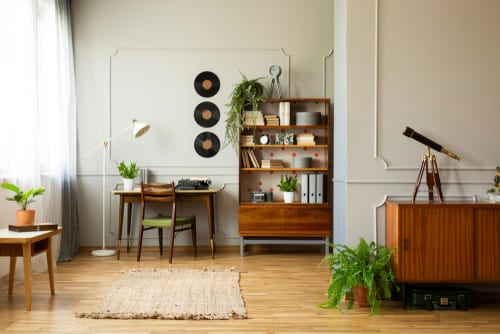 Only have the storage you actually need. Image: Photographee.eu/Shutterstock
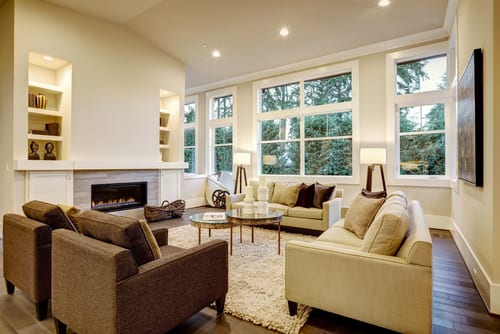 Use lighting to illuminate every inch. Image: Artazum/Shutterstock
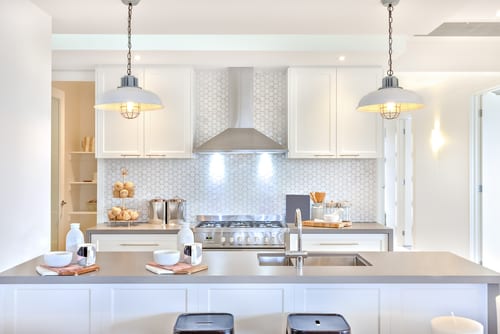 Choose texture over bold colors. Image: JR-Stock/Shutterstock
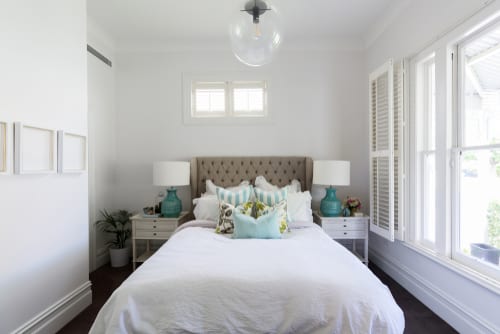 Minimal decor keeps a small space bright and airy. Image: Jodie Johnson/Shutterstock
Only have the storage you actually need. Image: Photographee.eu/Shutterstock
Too much storage
When you're dealing with a small space, all storage feels like good storage. You need a place to keep your stuff uncluttered and organized, right? But going too crazy with storage solutions like boxes and baskets can ultimately trip up your design and make a room feel smaller. Stick with the storage solutions you need and stash them away under furniture so they aren't under foot.Small scale pieces
It's important to choose furniture that fits the scale of the room. An overstuffed couch in a tiny study can make it feel cramped. But too much small furniture can have the same effect. In some cases, one large piece feels more spacious than several smaller pieces, such as rugs. Opt for large anchor pieces and pepper in to-scale furniture to make a room feel roomy. Use lighting to illuminate every inch. Image: Artazum/Shutterstock
Skimping on light
Lighting is another area where people make small space mistakes. No one wants to trip over cords and plugs in a small room, so some homeowners opt to skip accent lighting. After all, shouldn't overhead lights be enough? Unfortunately, dark corners can make a room feel smaller than it already is, so use accent lighting to illuminate every inch of a small space for big impact.Being total wallflowers
Pushing all the furniture against the walls of a small room might be a clever stager's trick, but it doesn't always work. It can make for strange layouts and limited design. Consider moving couches away from walls to allow for narrow tables or a layout better for socializing. The center of the room might feel a little smaller, but you'll gain big design points. Choose texture over bold colors. Image: JR-Stock/Shutterstock
Relying on color only
You've probably heard that light colors make a room feel large and dark colors can make a room feel tiny. But the way a small space feels is probably less about color and more about texture. Color alone can be choppy and disjointed, especially when viewed with the rest of the home. Instead, keep colors monochrome in your home and utilize texture as your main design strategy. Woodwork and textiles bring character to a small room without boxing it in.Stopping with the walls
A small space needs all the help it can get, so don't stop painting once the walls are done. By extending the same color onto the ceiling, it creates an unbroken line. This can make a room feel much more spacious than it really is.Breaking up the space
In your efforts to make a room feel bigger, you could be doing the total opposite. Breaking up a small space with small furniture, bold accent colors or fussy textiles and drapes automatically causes the eye to see a room in fits and starts. Instead, keep your eye line as fluid as possible. Consider the room in conjunction with the rest of your home and avoid furniture and accents that break up the space. Minimal decor keeps a small space bright and airy. Image: Jodie Johnson/Shutterstock