Say Hello to Japandi (The Minimalist Design Trend You've Been Waiting For)
 FollowTheFlow / Getty Images
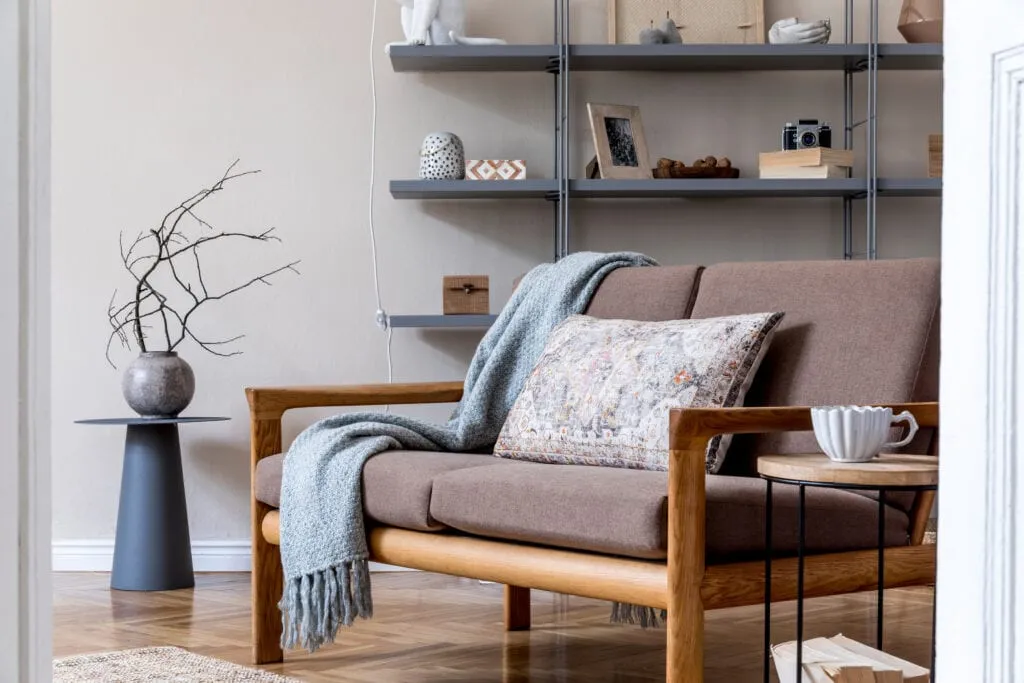
Sometimes two styles are better than one. Japandi, one of 2017's coolest design trends, is absolute proof of that. This hybrid aesthetic combines the modern-rustic vibe of Scandinavian — or Nordic — designs with the traditional elegance that's associated with Japanese styles. Together, they're about to become your new favorite take on minimalism.If you're as intrigued by Japandi as we are, read on. We explain in more depth what Japandi is, why it works so well and how to make it work at home. Trust us when we say this trend is everything that you've been waiting for.
FollowTheFlow / Getty Images
Sometimes two styles are better than one. Japandi, one of 2017's coolest design trends, is absolute proof of that. This hybrid aesthetic combines the modern-rustic vibe of Scandinavian — or Nordic — designs with the traditional elegance that's associated with Japanese styles. Together, they're about to become your new favorite take on minimalism.If you're as intrigued by Japandi as we are, read on. We explain in more depth what Japandi is, why it works so well and how to make it work at home. Trust us when we say this trend is everything that you've been waiting for.
What is Japandi?
Simply put, Japandi is a hybrid trend. This new look takes the modern flair of Scandinavian design and combines it with the timeless elegance of a Japanese aesthetic to create a style that brings together the best of both worlds.It's not hard to see why these two styles have been paired. Though they come from different sides of the globe, they share similar principles. Both are exercises in minimalism. They both emphasize the importance of creating function-driven spaces defined by a handful of statement pieces rather than an abundance of décor.It's their differences that help make this mash-up especially interesting. While Japanese spaces can get overly sleek, the rustic details in Nordic design add variance. Where Scandinavian interiors have a tendency to be so neutral they can appear antiseptic, the rich color palette of Japanese design gives the room more warmth. Artjafara / Getty Images
Shop These Products Now: Bedside Table - Throw Pillow - Bedroom Plants
Artjafara / Getty Images
Shop These Products Now: Bedside Table - Throw Pillow - Bedroom Plants
Pick contrasting colors
We've talked before that contrast is key to creating visually interesting interiors, and Japandi is no exception. In this case, the color palette is the easiest way to see how juxtaposition defines this trend and creates a new and exciting look.The first step is understanding the defining shades of each style. On the one hand, Nordic design is characterized by a mix of light, neutral hues, natural woods and pops of pastel accents. Japanese style, on the other hand, is known for richer tones. It's built from stained woods surrounded by eye-catching additions of black and red.Most Japandi rooms start with a darker base, usually a saturated, neutral shade. The contrast is then created through incorporating a mix of light woods and stark, black hues. Even the accents are usually monochromatic. However, a few vibrant colors can be added through natural sources such as house plants. liek52 / Twenty20
Shop These Products Now: Rug - Wall Painting - Couch - Flower Pots
liek52 / Twenty20
Shop These Products Now: Rug - Wall Painting - Couch - Flower Pots