Prefab Homes: Pros and Cons
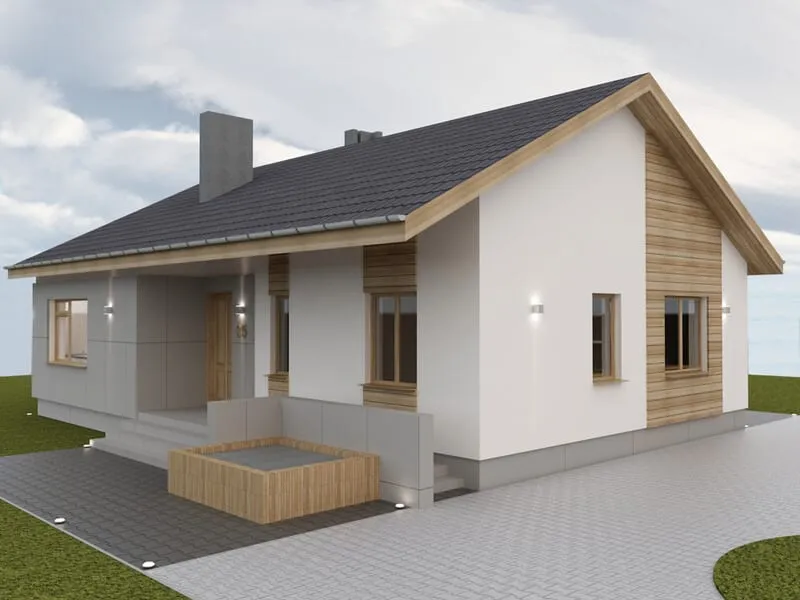
The tiny house movement has had a positive effect on another type of residence: prefabricated homes. As millennials and empty nesters alike look for smaller scale, more affordable housing, prefab homes are getting their time in the sun. Once perceived as low quality and hard to sell, today's prefab homes are nothing like their shoddy predecessors. In fact, you might be surprised at the stylish and well-built newest generation of prefabricated homes.If you're considering a no muss, no fuss prefab home as your next abode, it's important to suss out the pros and cons. Skipping the complicated construction process and buying a pre-built or modular home on your lot can save time. Still, there are a few drawbacks to consider before you purchase prefab.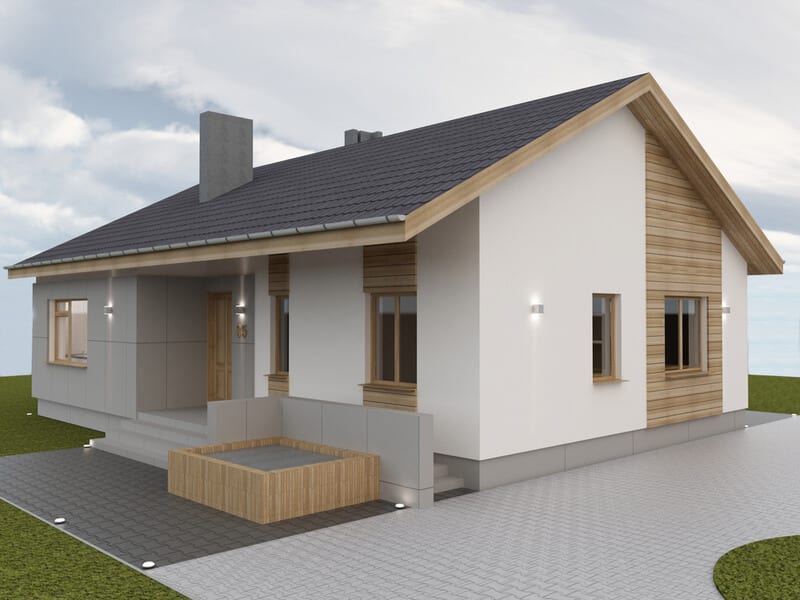 Prefab could give you more house for the money. Image: Usawicka/ShutterstockShop These Products Now: Outdoor Wall Lights - Roof Tiles
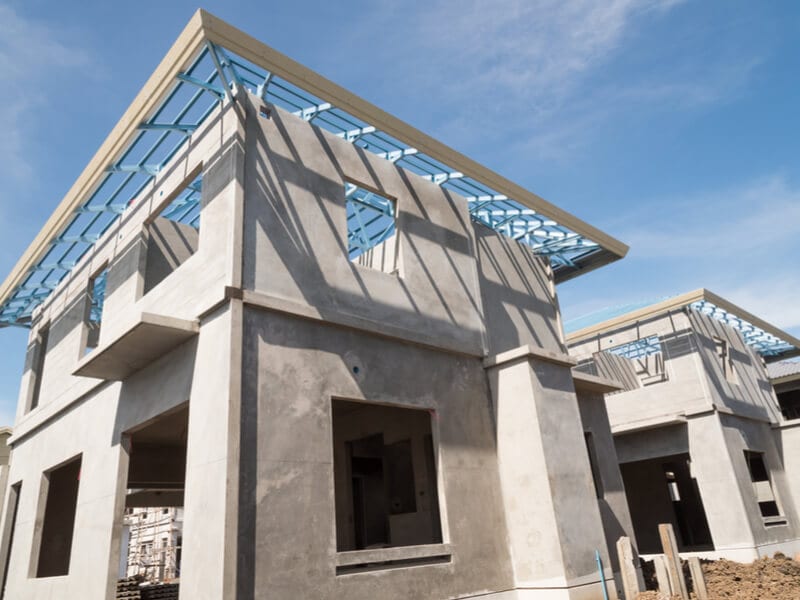 Not every neighborhood is open to prefab homes. Image: Thanate Rooprasert/Shutterstock
Prefab could give you more house for the money. Image: Usawicka/ShutterstockShop These Products Now: Outdoor Wall Lights - Roof Tiles
Prefab Pros
A lengthy, personalized building process definitely isn't for everyone. Prefab homes offer one of the quickest, most affordable paths to homeownership. Check out some of the best benefits of going prefab.Lower Costs
Unlike traditional homebuilders, prefab homebuilders are able to buy materials in bulk and better predict building costs. These cost savings are then passed to you, the homeowner. Prefab homes are usually priced per square foot, so you can get a great idea of how much your home will cost based on its size. While a traditional home typically costs around $125 to $150 a square foot, it's not uncommon to find a prefab builder offering prices closer to $75 per square foot. If you want a home without the huge mortgage, prefab might be the way to go.Quick Build
On a tight build schedule? Prefab homes can definitely help with that. Prefab builders know how to quickly place all the parts and pieces for a tight schedule, which means you'll get to move in much faster. The home is brought to your lot and the shell will be complete in as little as one day. Some prefab homes can be delivered with many of the main components installed (think cabinets and flooring). When compared to the 3- to 12-month timelines of traditional builds, you could be enjoying your home way faster if you choose prefab.Better Sustainability
Let's face it: a traditionally built home isn't exactly kind to the environment. Materials are brought to your site each day, resulting in emissions. At the same time, materials go to waste and end up in landfills. If sustainability and being environmentally friendly are important to you, consider a prefab home instead. A prefab builder knows exactly how much material to use and, what's more, extra materials can simply be used on another project. The home is shipped once, saving on gas and reducing emissions. Some prefab manufacturers also create homes that are more energy efficient, using solar panels and more efficient windows. This helps you save on utilities in the long run, which could seriously increase your enjoyment of the home. Not every neighborhood is open to prefab homes. Image: Thanate Rooprasert/Shutterstock