How to Remove Paint from Wood
A fresh coat of paint or stain is a great way to improve the look of wood — from the walls in your home to an old piece of furniture. But before you start applying anything new, it’s important to remove old paint from wood, so you have a surface that’s fresh and clean to work with. Learning how to remove paint from wood you plan to refurbish can also be helpful if you have a few stray paint splatters or drips from a poorly done paint job in your home.
Before you start stripping paint, you’ll want to first get a good understanding of a few of the best options you have to remove paint from wood.
 How it works:
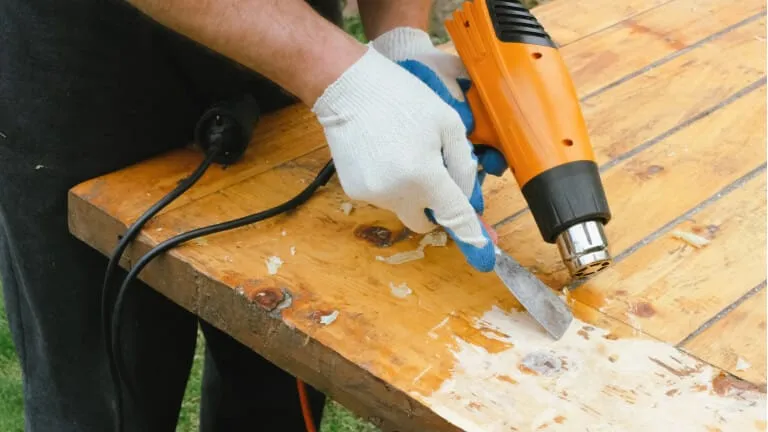
Heat guns makes paint bubble so you can scrape it off, but they can also damage wood or—at worst—cause it to catch fire. These work well for large surfaces and are easy to learn how to use, but they do come with risks and require a little practice before you start.
How to use:
Ready the nozzle two inches above the painted surface and run the heat gun over the paint in a sweeping motion. Once the paint starts to come off the surface, use a paint scraper to scrape it off. Use heat-resistant gloves, wear long sleeves, and keep a fire extinguisher nearby for safety.
How it works:
Heat guns makes paint bubble so you can scrape it off, but they can also damage wood or—at worst—cause it to catch fire. These work well for large surfaces and are easy to learn how to use, but they do come with risks and require a little practice before you start.
How to use:
Ready the nozzle two inches above the painted surface and run the heat gun over the paint in a sweeping motion. Once the paint starts to come off the surface, use a paint scraper to scrape it off. Use heat-resistant gloves, wear long sleeves, and keep a fire extinguisher nearby for safety.
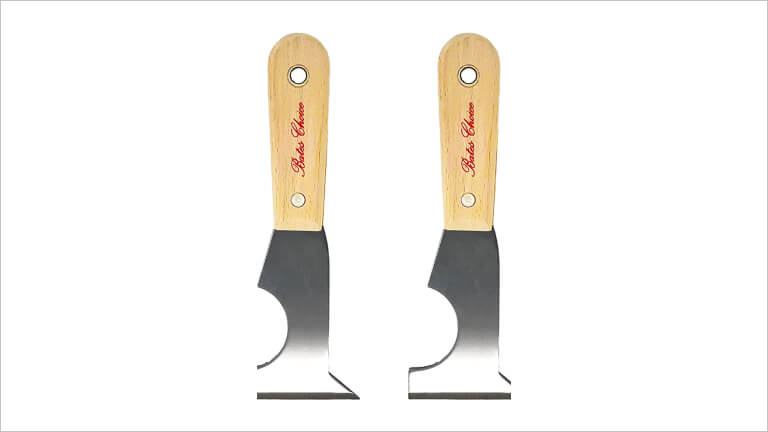 Using handheld scrapers or paint strippers is simple, but can be harder and more time-consuming to remove paint. This method works well if it’s a small job or has hard-to-reach areas that a larger tool.
Check for lead before removing paint
Before attempting to remove any paint, make sure to test the painted area for lead paint, especially if it’s an older surface or building. Lead paint is extremely toxic and breathing in lead paint particles is dangerous to your health and safety. You can test the painted surface with a lead swab testing kit. If you find any traces of lead paint, visit the Environmental Protection Agency’s website for information on how to safely remove it. Or call a professional for assistance.Best ways to remove paint from wood
Chemical paint strippers
How it works: Chemical paint strippers use chemicals to break down and release paint bonds, turning it into a liquid-like or (sometimes gooey) substance that can easily be wiped away, which is nice since it doesn’t create paint chips or dust. They are easy to apply, but certain paint strippers contain hazardous chemicals and fumes that can be dangerous to your health. Note: Always read the health labels and product data specs provided by the manufacturer on any chemical paint stripper. Stripping paint is messy work, so it’s recommended that you cover your floors around the painted area and wear long-sleeves and close-toed shoes before working. How to use: Find a chemical paint stripper that works best on wood, and closely follow the application directions on the product. Make sure you wear all personal protective equipment as the manufacturer details for the product. In general, it’s good to wear:- Safety goggles
- Long sleeves
- Gloves
- Respirator (for toxic fumes)
Heat guns
How it works:
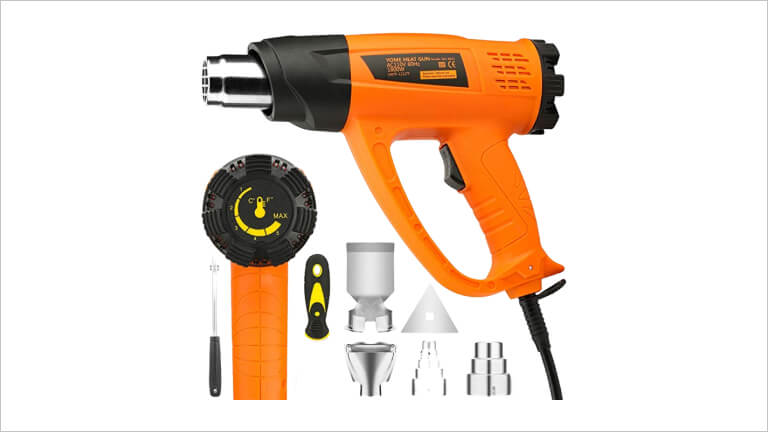
Heat guns makes paint bubble so you can scrape it off, but they can also damage wood or—at worst—cause it to catch fire. These work well for large surfaces and are easy to learn how to use, but they do come with risks and require a little practice before you start.
How to use:
Ready the nozzle two inches above the painted surface and run the heat gun over the paint in a sweeping motion. Once the paint starts to come off the surface, use a paint scraper to scrape it off. Use heat-resistant gloves, wear long sleeves, and keep a fire extinguisher nearby for safety.
Sanding
How it works: Sanding paint uses a rough, coated abrasive tool that catches paint and strips it away. This method will release dust particles so should always be done outdoors with a proper mask. Note: Never use sanding to remove lead-based paint because it could disperse fine particles of lead into the air that could damage your lungs and lead to lead poisoning. How to use: You can sand paint with heavy-grit sandpaper or a sanding tool. Always wear a mask that filters dust particles. And always sand with the grain of the wood.Vinegar
How it works: Vinegar softens up paint bonds, making them easier to scrape off. This method doesn’t remove paint entirely but is a more natural, non-toxic solution to using a paint stripper. How to use: Boil the vinegar on the stove or in the microwave, apply it to the surface with a brush, and scrape the paint off after several minutes. Repeat if needed to remove the paint you missed the first time.Pressure washer
How it works: A pressure washer can be a quick way to effectively strip paint on the exterior of your home. To apply enough pressure to strip paint, you’ll need a pressure washer with a range of 2500 - 3000 psi. How to use: Use your pressure washer’s 15-degree nozzle, stand 15 to 18 inches away from the painted surface, and spray in a continuous sweeping motion. It’s recommended to wear safety goggles and close-toed shoes for this project.Paint scrapers or strippers
Using handheld scrapers or paint strippers is simple, but can be harder and more time-consuming to remove paint. This method works well if it’s a small job or has hard-to-reach areas that a larger tool.
Soy gel or citrus-based paint removers
Similar to chemical paint strippers, but without the chemicals, soy gel and citrus-based paint removers are environmentally friendly and non-toxic. Be sure to read the label and follow the instructions provided by the manufacturer.Step-by-step guide to removing paint from wood using a chemical paint stripper
For this project, you’ll need:
- A mask that protects from dust particles and vapors
- Brush to apply the paint stripper
- Gloves
- Safety glasses
- Chemical paint stripper
- Handheld paint strippers or scrapers