Painting Aluminum Siding: The Complete Guide
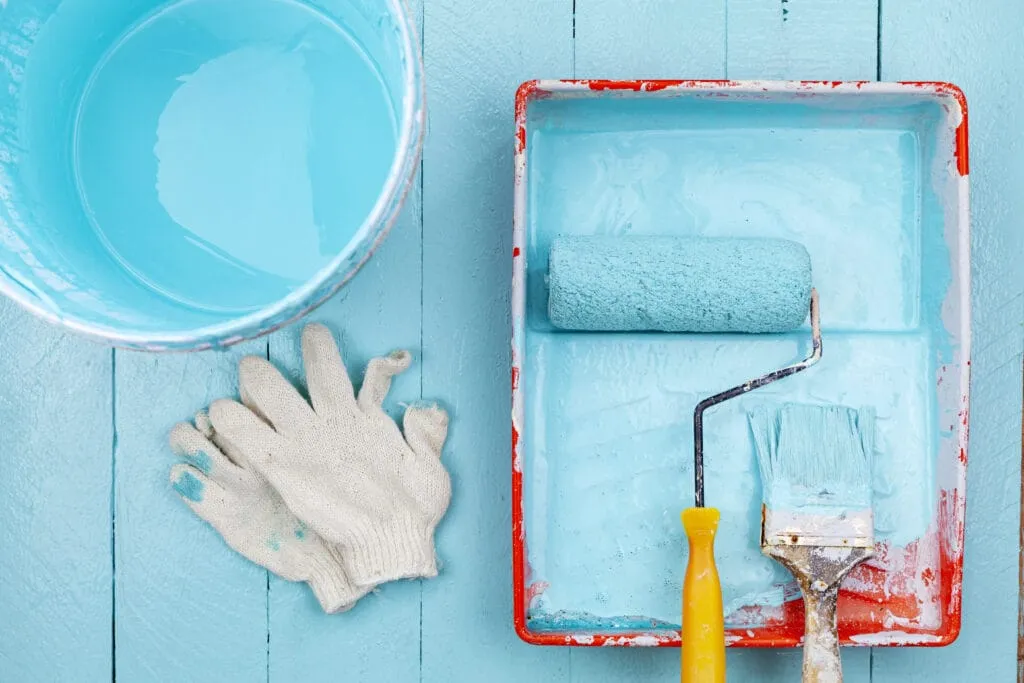
Aluminum is a popular siding material for a variety of reasons. From extreme weather durability to minimum maintenance requirements, homeowners often prefer it over other siding materials like stucco or fiber-cement. If you're currently in the market to buy a home with aluminum siding, don't be concerned if you encounter peeling paint. With some painting supplies and some elbow grease, painting aluminum siding doesn't have to be a daunting task. This helpful guide on how to paint aluminum siding makes the process easy, even for first-time painters.
6 steps to painting aluminum siding
Step 1: Prep the siding
Scrape off any peeling paint with a paint scraping tool. Then, using a combination of ten parts water to one part bleach, remove any noticeable mildew. If your aluminum siding is particularly grimy, you might consider renting a power washer from your local home improvement store. Finally, using a power sander, sand down the siding. Most pros suggest using 80 grit sandpaper for the first round of sanding, followed by 220 grit sandpaper for the second round.Step 2: Apply the first coat of primer
Plan to start painting when the weather is mild and dry to prevent rain, dust, and debris from ruining the finish. Using a paint roller, apply the primer evenly, rolling back and forth twice. This process should only take a few seconds per square foot. Pro tip: When applying primer, always work in one direction, either from left to right or right to left. This will maximize drying time and help you to work more efficiently.Step 3: Apply a second coat of primer
Apply the second coat of primer after the first coat has dried. Primer usually takes about four hours to dry, so plan your day accordingly.Step 4: Paint the aluminum siding
Make sure to paint using long, even brush strokes while working top to bottom. This will allow you to fix any drips along the way. For best results, always paint in the same direction of your siding (if your siding is horizontal, paint left to right, and if your siding is vertical, paint up to down.) Pro tip: If you notice visible lines in the paint, you're probably painting too slowly. Try to paint a full side all at once, taking breaks in between each side. This will ensure a smooth, finished surface.Step 5: Apply a second coat of paint
After a minimum of two hours, begin applying the second coat of paint. Use this process to correct any mistakes or flaws that occurred during the first coat of paint. For example, any bumps that you come across can be removed by gently sanding them away. Pro tip: Always buy more paint than you think you need. An extra gallon could be used for touchups or help with an additional coat of paint, if necessary.Step 6: Inspect your work
Once you've completed both coats of paint, let the paint dry for at least two hours. Then go back and inspect your work, looking for spots that you may have missed, bumps, and paint drips. If you can still see any of the old aluminum finish beneath the paint, consider applying one more coat.Products and tools you'll need to paint aluminum siding
- Oil-based primer: Primer is used to seal any porous surfaces, allowing the paint to better cover the siding. Galvanized metal etching primer is also a good choice.
- Acrylic exterior paint: Acrylic paint is recommended because it bonds well over vinyl surfaces. Choose a color similar to the current shade of the siding. Avoid dark colors, as they tend to absorb excessive heat.
- Synthetic fiber brushes: Paintbrushes made with synthetic fibers are the only types of brushes you should use when dealing with acrylic paint.
- Lambswool paint rollers: When painting aluminum siding and other exterior surfaces, lambswool paint rollers will maximize coverage of the surface area.
- Ladder: A ladder will help you get access to the highest parts of the project.
- Plastic paint buckets: Buckets are useful when using a ladder to paint since you can hang it nearby using the handle.
- Plastic paint trays: When using paint rollers, large plastic paint trays are necessary.
- Drop cloths: To help keep your area clean, drop cloths or a plastic covering is recommended. Place them around the side of your home under the areas that you plan to paint.