Epoxy Paint: What Is It Used For?
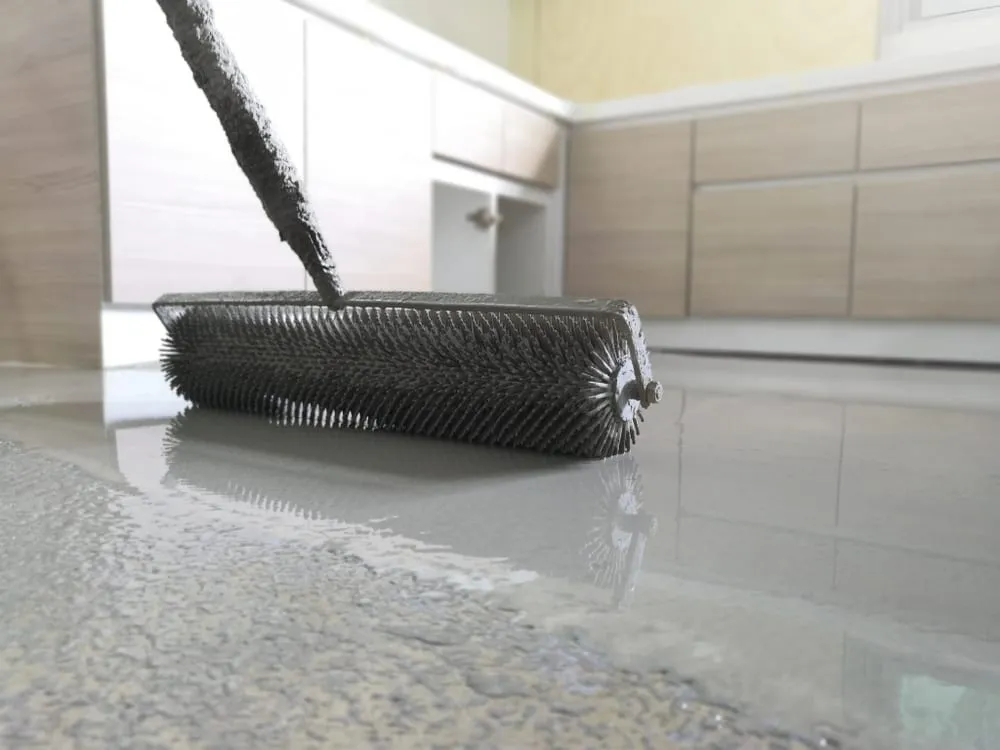
Epoxy paint is one of the toughest and most durable paint materials available on the market today. It's also a great choice if you want to add a little extra shine to your floors. Epoxy paint can act as a sealant on cement floors and is typically applied on garage or basement floors. There is a lot of information out there on how to apply epoxy paint. But there is also a lot of confusion around whether it should be epoxy paint vs. epoxy coating.
The best way to figure out which will work best for you is to learn the difference between them both. This article will help you understand everything you need to know about epoxy paint.
What Is Epoxy Paint?
Originally designed for industrial use, epoxy paint is a latex acrylic product that may have a small amount of epoxy in the mix and is used for flooring applications. Epoxy paints provide a tough, durable protective coating that's easy to maintain. Because of its unique properties, epoxy paint is corrosion-resistant, resistant to chemicals and easy to clean - making it ideal for garages and warehouses, etc. The main difference between epoxy paint and normal paint is that when epoxy is present, the paint will adhere to the concrete surface much better, making it more durable. Without epoxy, a standard acrylic paint will eventually peel and flake, especially in high-traffic areas. Many people decide to use epoxy paint because it's resilient, sealed, and can be safer in highly-trafficked areas, not to mention the aesthetically pleasing shine. It shields your floor from damage, especially from heat and chemicals, and is shock-resistant. It's perfect for any area where chemicals, heat, and other materials may be used.Pros and Cons of Epoxy Floor Paint
Pros:
- Resistant: Epoxy is a hardy flooring choice. It can bear the brunt of heavy shock, heat, chemicals, and water. It is ideal in garages where cars can emit corrosive chemicals.
- Cost-effective: Epoxy paint can be added onto your current flooring, saving you time and money on removal.
- Long-lasting: Although it takes time to install, once the epoxy is in place, it lasts a long time. It's hard-wearing, extremely durable, and will withstand a great deal of traffic.
- Protection: Epoxy almost creates a shield for your flooring and will protect it from stains, cracking, and wear and tear.
- Maintenance: Epoxy is dust-resistant. By creating a layer, epoxy helps prevent dust from settling and circulating. It also creates a smooth and flat surface that's easy to clean with a mop, broom, or vacuum.
Cons:
- Slippery: In general, epoxy-painted floors are skid-resistant, however, oil-covered epoxy can be very slippery. When this is wet, it can be slippery. Epoxy paint isn't ideal for areas that are prone to spills or water on the floor.
- Temporary: Even though it is hard-wearing and resistant, epoxy does need replacing eventually. Everyday wear and tear takes its toll and chips and cracks can start to develop. When this happens, you will have to add another coat of epoxy paint to ensure things keep looking good. If it's in an area where heavy things are dropped onto the floor, like a gym, this may be an issue.
- Application: It takes a lot of preparation to ensure your epoxy paint is applied effectively. You need to fill in all cracks and meticulously clean all grease, oil, and dirt off. The application process itself is also time-consuming and tedious. It can take several days for your epoxy paint to dry properly and you need to wait until the first coat is completely dry before adding the next.
- Removal: It can be costly and labor-intensive to change the color, design, or to have epoxy removed.