How Architects Minimize Urban Stress
 Thanyakan Thanapanprasert / Getty Images
Experts are saying that we need to ready ourselves for a more urbanized, and therefore, a more depressed world. It seems that architects not only have to design homes that are modern, functional and green, but they now need to worry about the world's mental health, as well.
So how does urban living reflect upon ones mental health? Some may love living the big city life, while others may dream of escaping to a slower suburban pace. With the world's population growing at alarming rates, we are undoubtedly packing ourselves into much tighter neighborhoods than ever before. Builders are erecting houses side by side, with small postage stamp yards and no privacy---this certainly cannot be ideal living and is one of the leading causes of urban stress.
Humans naturally feel threatened and closed-in when they perceive that space is lacking---resulting in urban stress. What can architects do to minimize the strain that occurs from crowded urbanization? How can they alter their designs to make high-density living feel like open, airy dwellings?
Let's look into some of the key ways that architects minimize urban stress:
Thanyakan Thanapanprasert / Getty Images
Experts are saying that we need to ready ourselves for a more urbanized, and therefore, a more depressed world. It seems that architects not only have to design homes that are modern, functional and green, but they now need to worry about the world's mental health, as well.
So how does urban living reflect upon ones mental health? Some may love living the big city life, while others may dream of escaping to a slower suburban pace. With the world's population growing at alarming rates, we are undoubtedly packing ourselves into much tighter neighborhoods than ever before. Builders are erecting houses side by side, with small postage stamp yards and no privacy---this certainly cannot be ideal living and is one of the leading causes of urban stress.
Humans naturally feel threatened and closed-in when they perceive that space is lacking---resulting in urban stress. What can architects do to minimize the strain that occurs from crowded urbanization? How can they alter their designs to make high-density living feel like open, airy dwellings?
Let's look into some of the key ways that architects minimize urban stress:
 Bulgac / Getty Images
Better Planning and Density Management
An article by LSE Cities, points out that there is a difference between density and crowding. The study theorizes that it is crowding that leads to urban stress rather than density. They feel that even the most dense areas can be designed in a manner that makes them feel uncrowded. High-density is not necessarily a bad thing. In fact, there are advantages to high-density living such as accessibility to facilities and more efficient land use. With proper planning architects can design urban areas in a manner that may be dense but does not feel overcrowded, therefore minimizing urban stress. Let's look a little further into the many ways that architects design individual communities/buildings in order to minimize the feeling of crowdedness.Communities With Open Spaces
One of the main negative effects of density is the feeling of over crowdedness. City planners and architects can minimize this sensation by designing communities with open spaces and park systems intermingled amongst busy city life. Take New York Cities Central Park for example. Among the hectic, fast-paced city life of New York sits one of the most beautiful park systems. Central park offers a mental refuge with its vast, open, green spaces, giving city-dwellers a place to unwind and feel at peace in an uncrowded, natural environment. Essentially, green cities equal good health. Green areas provide space for exercise; space to experience nature; space to restore the body, mind and soul; and space for calm social interaction--- green spaces are a must and should be included in every architect and city planners blueprints.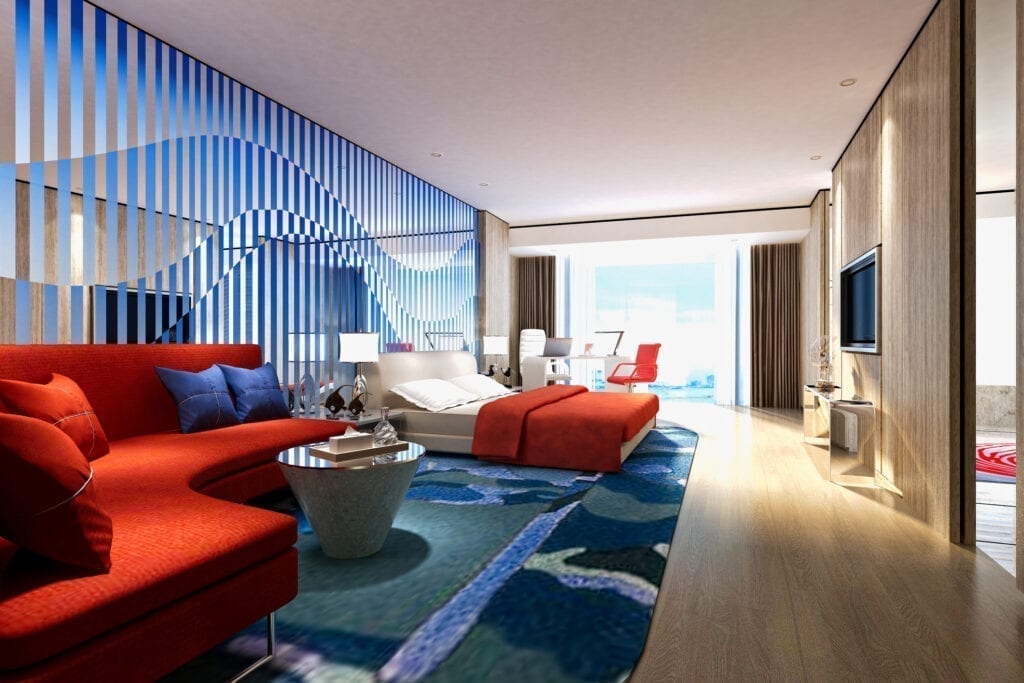 Explora_2005 / Getty Images
Using Roof Tops For Relief
Some cities do not not have established areas for green space, and it seems there is no room left to create these park systems or recreational areas. This has lead architects to become inventive with already-existing spaces such as roof tops, turning them into green spaces, gardens, and recreational areas. Roof top farming seems to be a popular choice amongst some eco-conscious designers/architects. It is easy to see why when one looks at all the positive benefits of roof gardens--- provision of green space; provision of locally-grown organic food; provision of healthy exercise; and provision of temperature and hydrological controls for the building. Also, gardening has been shown to significantly reduce stress and depression. Indeed, the trend of using roof tops as open, green-living spaces certainly has a role in reducing urban stress.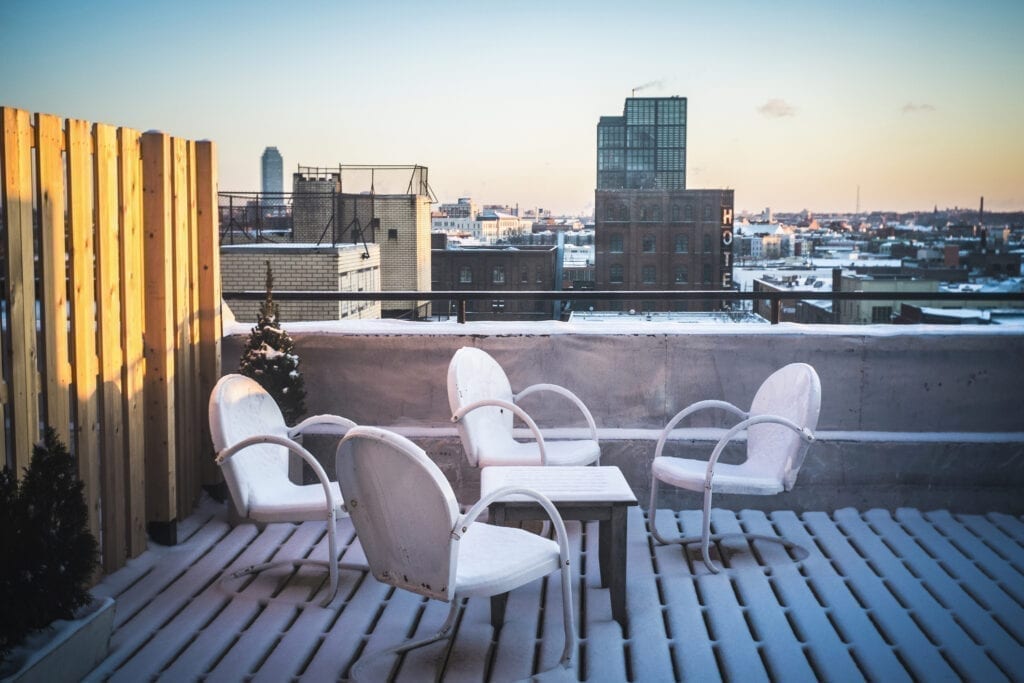 Alberto Guglielmi / Getty Images
Buildings Designed to Feel Vast and Open
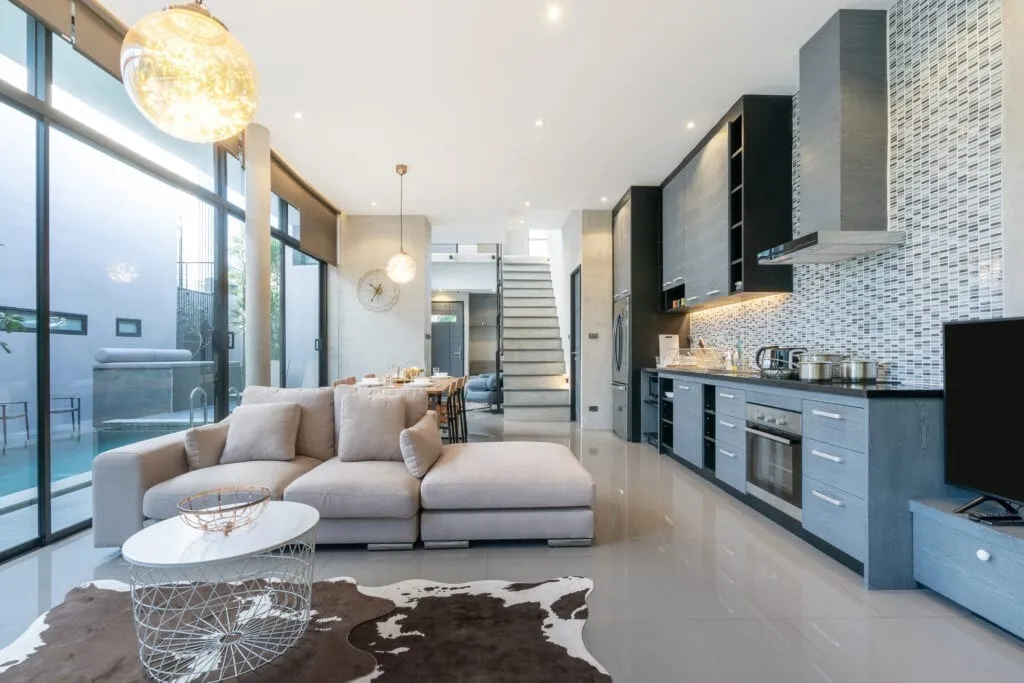
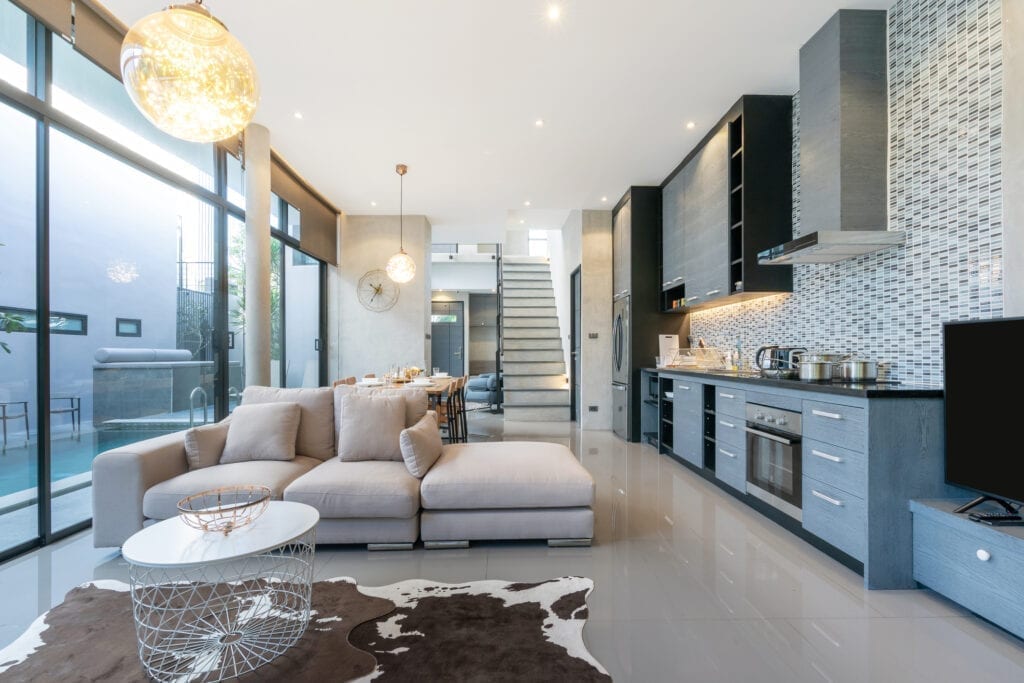
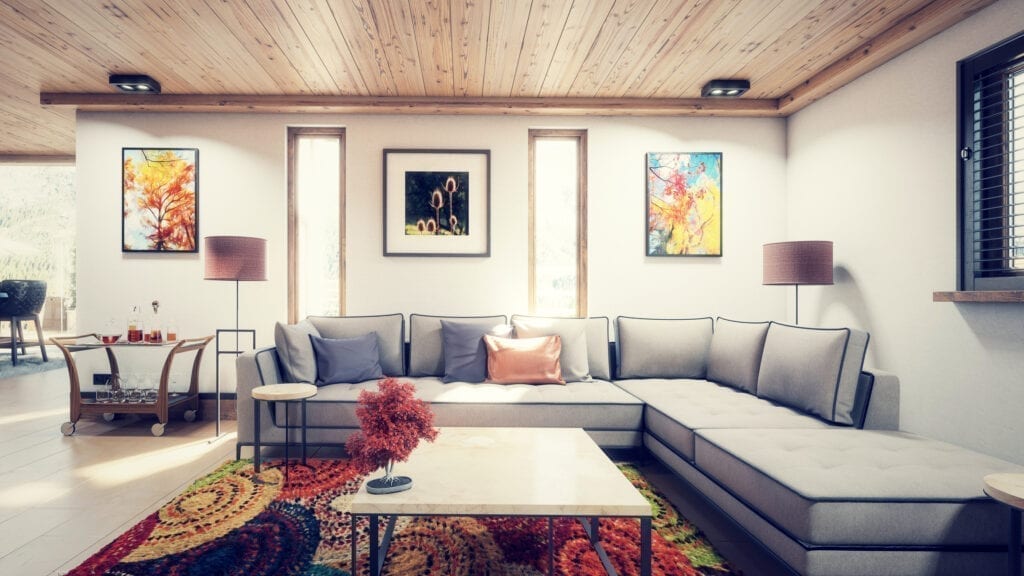
Architects have gotten quite inventive when it comes to designing buildings that make a visitor feel relaxed and at ease. Many architects realize the secret to successfully reducing urban stress---buildings shape the human experience. It seems obvious, but it is often forgotten in design---people react to their environment. Designing a building where people feel a sense of belonging; where they feel comfortable; and where they have an overall sense of place, is imperative to the reduction of urban stress. Architects can incorporate this welcome feeling in their designs by adding green spaces and vistas; by improving building flow and function through escalators and modes of better traffic flow; by incorporating large windows, high ceilings and natural light; and by creating multi-functional areas where people can access numerous activities. People spend most of their days working and living in large office buildings and high rise apartments, so mental well-being always should be considered in the design.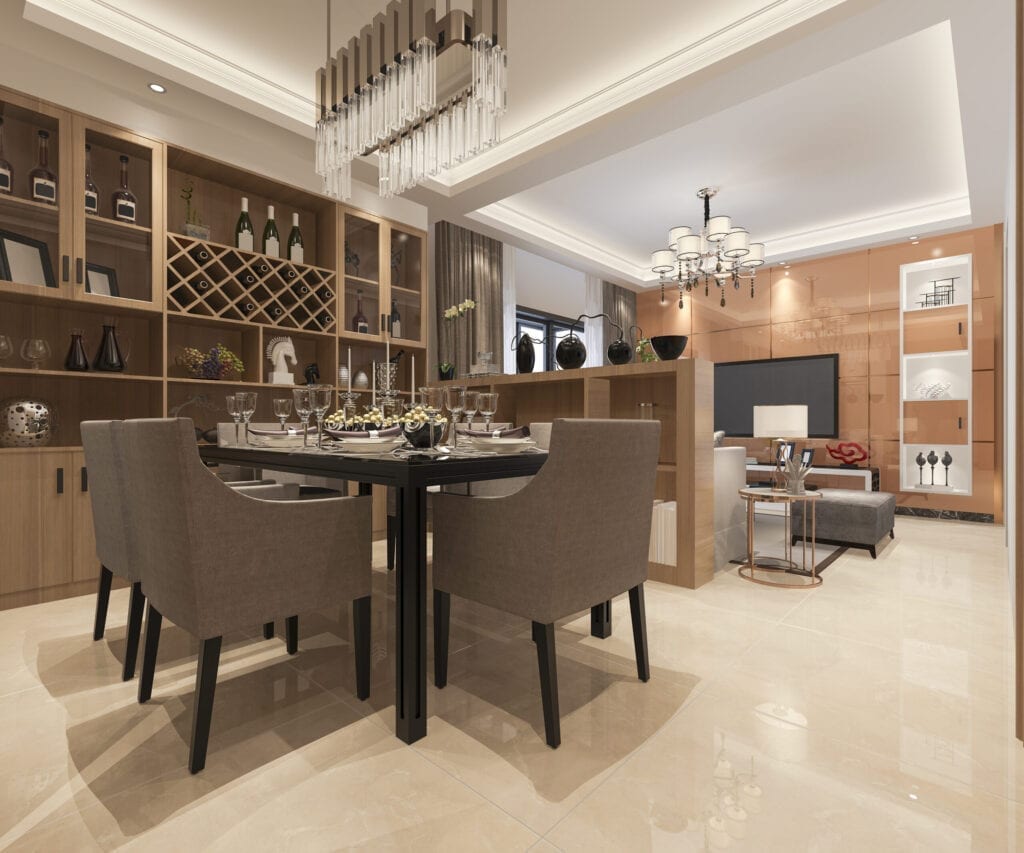 dit26978 / Getty Images