How to Allergy-Proof Your HVAC System
Allergies and asthma are a growing problem. The Asthma and Allergy Foundation of America says, "More than 26 million people in the US have asthma, and allergic asthma is the most common type, affecting around 60% of people with asthma." Improving your home's air quality can reduce common symptoms like wheezing and shortness of breath. Start by updating your HVAC for allergy relief.
The main culprits that lead to asthma and allergies in your home include dust mites, pollen, pet dander and cockroach droppings. Your HVAC system is designed to filter these allergens (and more), but if it's not optimized properly, it may be blowing the allergens around. Here are 4 reasons everyone should update their HVAC for allergy relief, even if you don't personally suffer from asthma or hay fever:
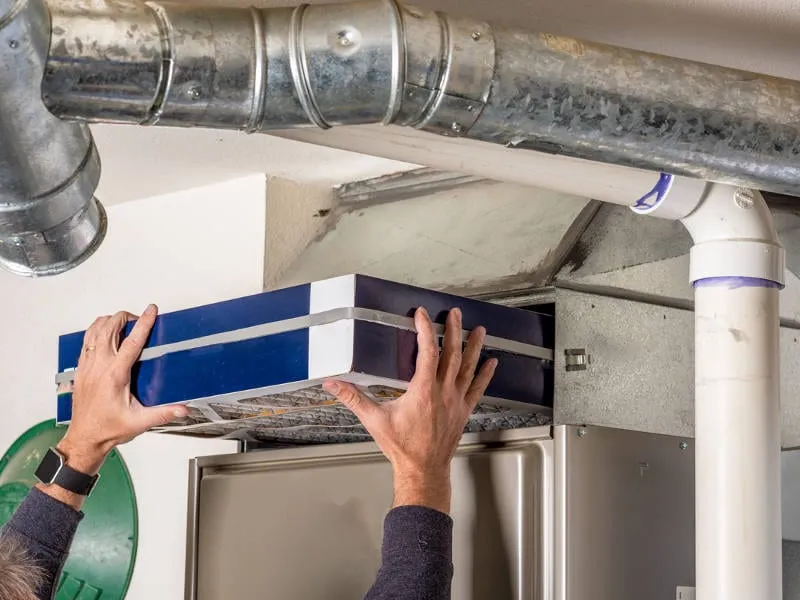
 HVAC maintenance includes cleaning or replacing air filters and searching for areas where mold and mildew are growing.
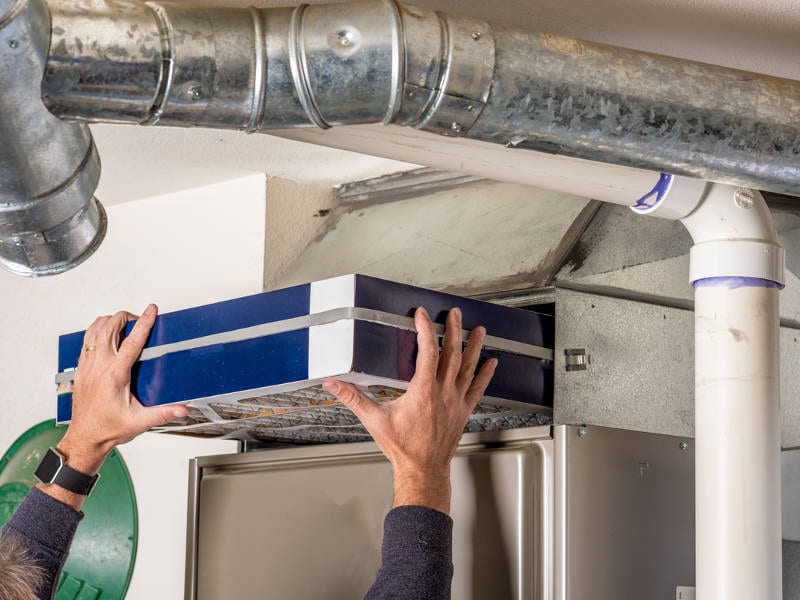
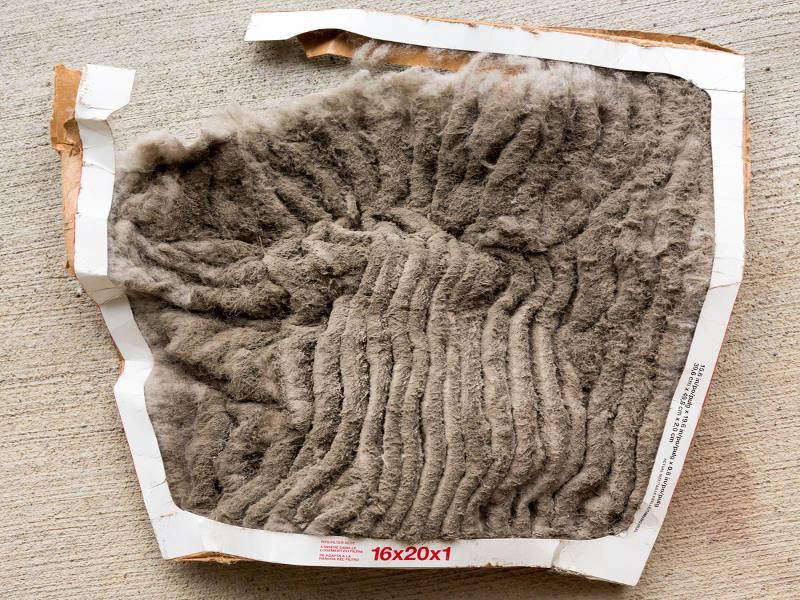 Here's what your HVAC air filter may look like if you don't regularly clean or replace it.
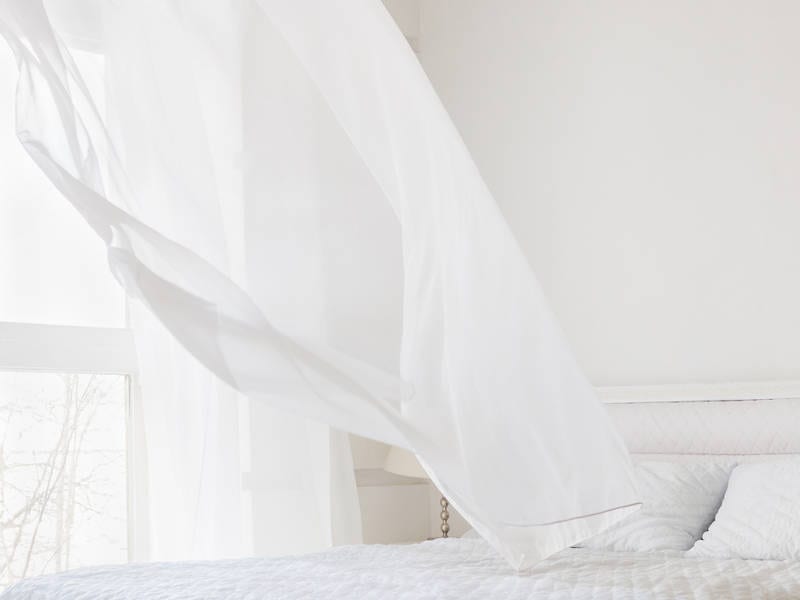 Keeping all windows closed can cause poor air quality inside your home. Get your home's air circulating!
HVAC maintenance includes cleaning or replacing air filters and searching for areas where mold and mildew are growing.
1. Your HVAC System Can Be Hiding Mildew And Mold
Mildew and mold thrive off dark and damp places. And an improperly maintained HVAC system may be collecting condensation and humidity in hidden zones. Turn your contaminated AC or heating on and you may inadvertently blow the mildew and mold into the room. HVAC allergy fix: Schedule an annual maintenance visit with a licensed professional to make sure your system is working properly. Make sure the HVAC maintenance visit includes having all ductwork cleaned and changing the air filters. In humid zones, installing a dehumidifier can keep humidity levels in check. A good humidity level is around 40%. Here's what your HVAC air filter may look like if you don't regularly clean or replace it.
2. Your HVAC Filter May Be Making Your Allergies Worse
HVAC filters are meant to capture debris. But if you don't clean or replace them regularly, they could become overloaded with allergens and blow allergens like dander, pollen and dust mites back throughout the home. HVAC allergy fix: Clean or replace your HVAC filters every two to three months. Better yet, upgrade to a HEPA (high-efficiency particulate air) filter. Filters must remove at least 99.97% of contaminants in the air to earn a HEPA rating. Choose a HEPA filter with a MERV rating of at least 10. MERV ratings score the quality of the air filtration on a scale from 1 (worst) to 20 (best). Keeping all windows closed can cause poor air quality inside your home. Get your home's air circulating!